HR director
Hiring manager
Finance business partner
VP of operations
Chief people officer
Department head

This process is used when a department requests authorization to fill a new position, backfill a vacancy, convert a contractor to a full-time role, or increase headcount beyond the approved plan. It is triggered when a manager submits a headcount request, when organizational restructuring creates new role requirements, or when business growth drives demand for additional capacity. It applies when the request requires validation against budget, organizational structure, and strategic priorities. This process is common in mid-to-large organizations that manage headcount as a controlled resource with formal authorization gates.
The headcount approval process typically involves the hiring manager who submits and justifies the request, HR business partners who evaluate role requirements and organizational fit, finance business partners who validate budget availability and compensation alignment, department heads who confirm the request supports strategic priorities, and in some cases executive leadership who authorize headcount that exceeds planned levels.
Controlled headcount growth with every new position justified against business need and budget availability. Faster time-to-requisition by routing headcount requests through a structured approval path rather than informal email chains. Alignment between hiring and budget because finance validates compensation and benefits impact before the requisition is opened. Clearer organizational planning with a documented record of every approved and denied headcount request and the rationale behind each decision. Reduced hiring delays because approvals are completed before the recruiting process begins, preventing mid-process budget surprises.

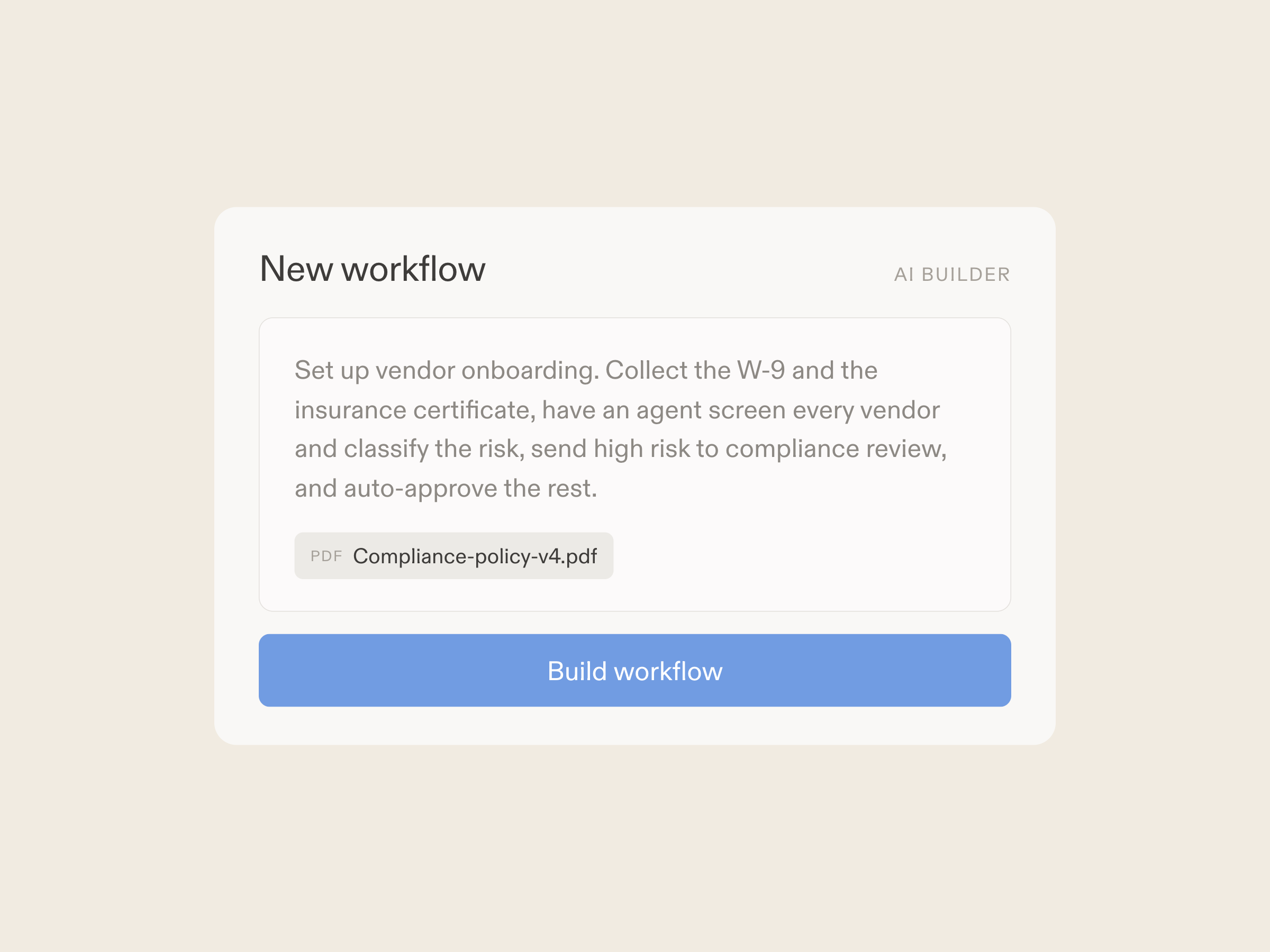
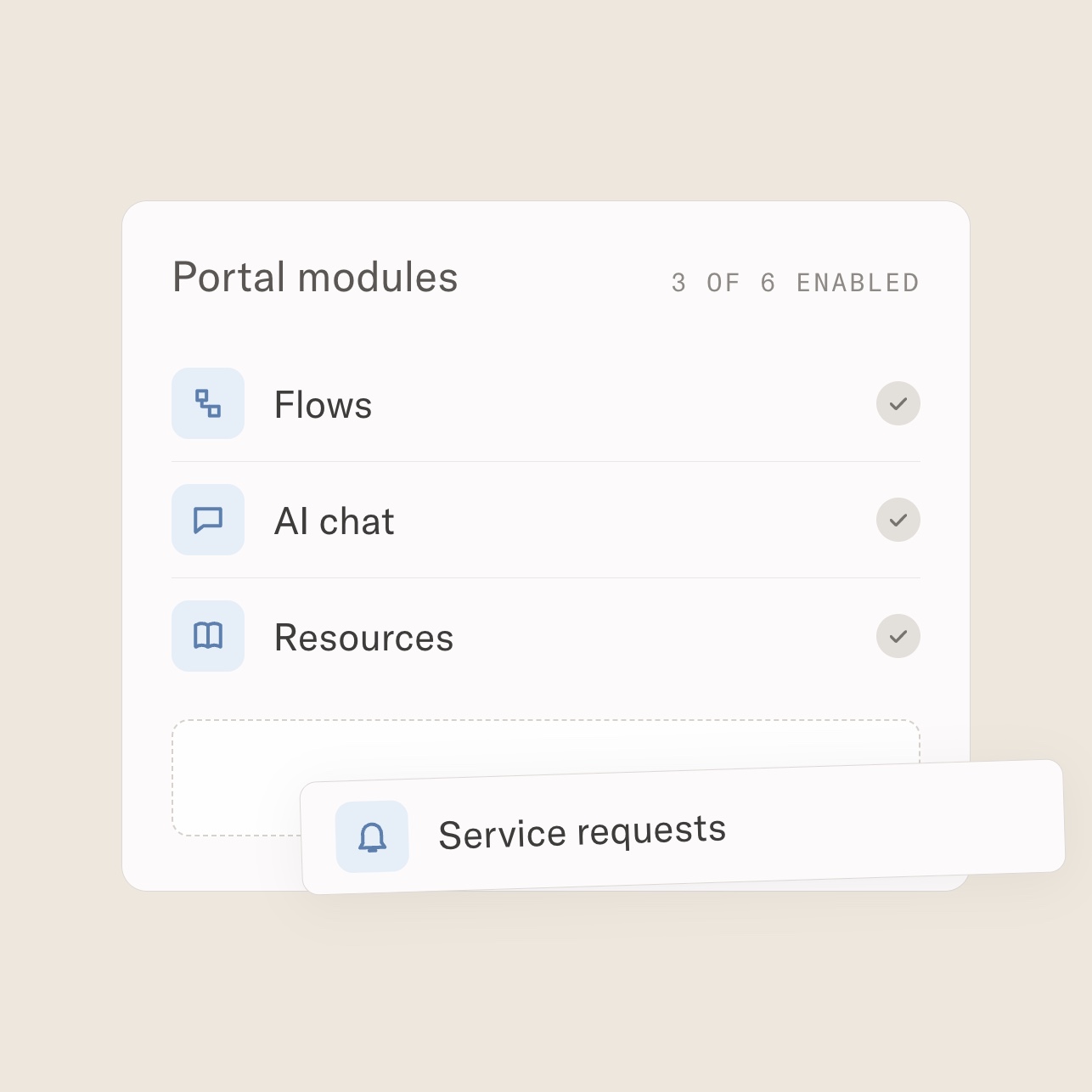
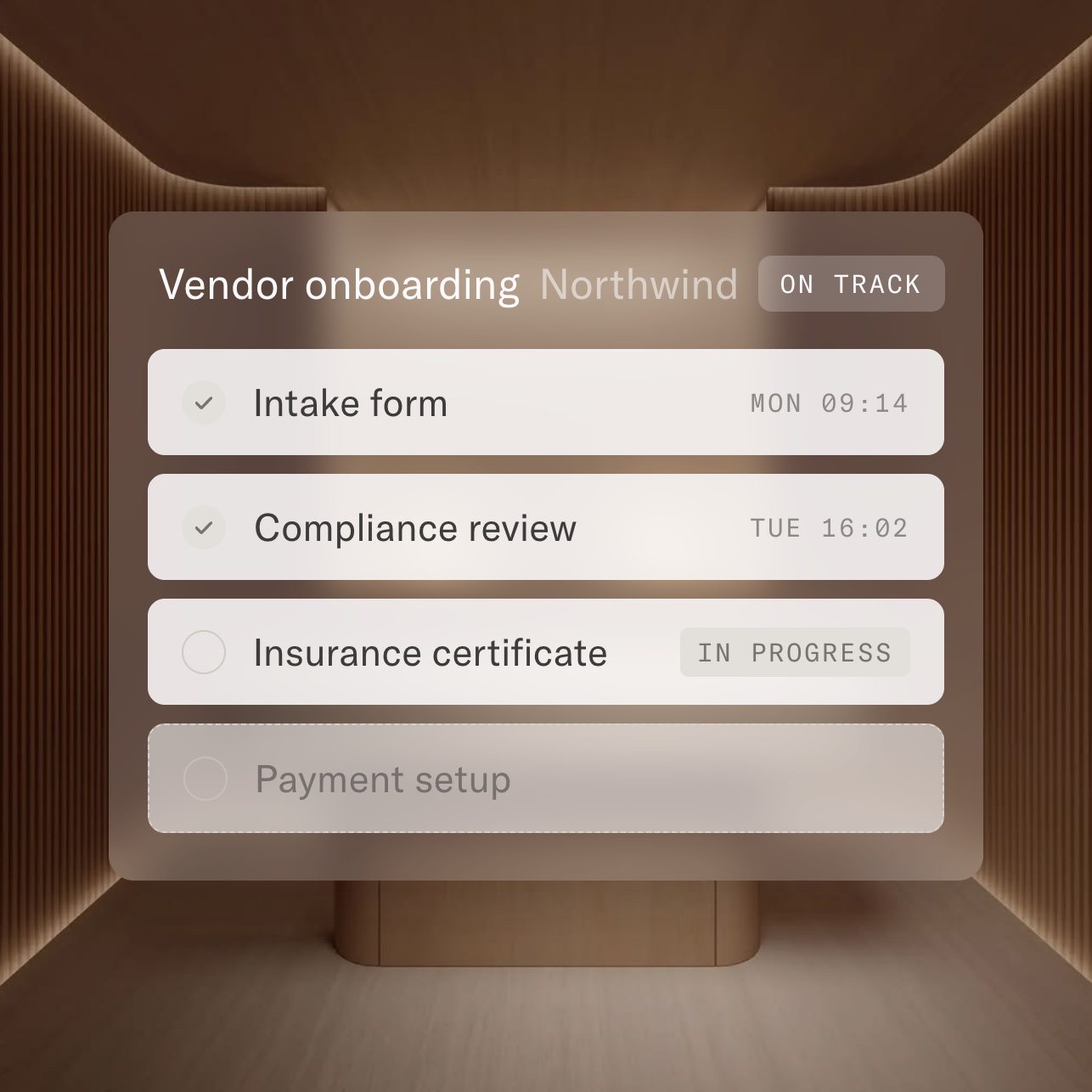
Your version of this process may vary based on roles, systems, data, and approval paths. Moxo’s flow builder can be configured with AI agents, conditional branching, dynamic data references, and sophisticated logic to match how your organization runs this workflow. The steps below illustrate one example.
Headcount request submission
The process begins when a hiring manager submits a headcount request detailing the role title, department, business justification, desired start date, compensation range, and whether the position is new or a backfill. An AI Agent may assist by pre-populating organizational data and pulling current headcount and budget utilization from connected HRIS or financial systems.
HR review and organizational assessment
HR evaluates the request against the organization’s structure, existing role definitions, and workforce plan. This includes assessing whether the role is appropriately defined, whether similar positions exist that could absorb the need, and whether the requested compensation is competitive and internally equitable. If the request requires modification, HR returns it to the manager with recommendations.
Finance and budget validation
The finance business partner reviews the financial impact of the request, including compensation, benefits, equipment, and any other costs. The request is validated against the department’s approved budget and the organization’s overall headcount plan. If the request falls outside the approved plan, it may require escalation to executive leadership for additional authorization. The AI Agent may provide a budget impact summary highlighting the incremental cost.
Department head and leadership approval
Based on the combined HR and finance reviews, the request routes to the department head for strategic alignment confirmation. For requests that exceed plan or carry significant budget impact, executive leadership may be engaged for final authorization. The approver evaluates the business case, budget alignment, and organizational need before making a decision.
Requisition activation and record closure
Upon approval, the headcount authorization is documented and the recruiting process is initiated. The approved role details flow to the HR system for requisition creation. The complete record, including the original request, all reviewer inputs, and the approval decision, is stored for workforce planning, audit, and budget tracking purposes.
This process commonly relies on inputs such as headcount request forms, organizational charts, budget allocation data, compensation benchmarks, and workforce plans. It may be triggered by a form submission from a hiring manager, a scheduled workforce planning cycle, or an organizational change. Systems commonly connected include HRIS platforms like Workday for employee data and org structure, ERP systems like NetSuite for budget validation, and applicant tracking systems for downstream requisition creation.
Key decision points include whether the role is appropriately defined and organizationally justified, whether the financial impact aligns with the department’s approved budget, whether the request requires executive authorization because it exceeds the planned headcount, and whether any conditions are attached to the approval such as start date restrictions or compensation caps.
Requests submitted without clear business justification, delaying approval while the hiring manager provides additional context. Budget validation disconnected from the approval process, leading to approved positions that create unplanned financial exposure. Compensation ranges not validated for internal equity, creating retention risks when the new hire’s compensation is misaligned. Approved headcount not tracked against the workforce plan, making it difficult to manage total headcount against targets. Recruiting initiated before formal approval is complete, creating risk of wasted effort if the position is ultimately denied.
Orchestrates headcount reviews across HR, finance, and leadership in a structured sequence that ensures every request is fully evaluated before authorization.
AI Agents pre-populate request context by pulling current headcount, budget utilization, and organizational data from HRIS platforms like Workday and financial systems like NetSuite.
Routes requests to the appropriate approval tier based on budget impact, plan alignment, and organizational level, ensuring executive leadership is engaged only when required.
Connects approved headcount to downstream recruiting systems so requisition creation follows directly from the authorization.
Maintains a documented record of every headcount request and decision, supporting workforce planning, budget tracking, and organizational audit.