Payroll manager
Project manager
Department manager
Finance controller
HR operations lead
Resource planning manager

This process is used at regular intervals — weekly, biweekly, or monthly — when employees submit timesheets that must be reviewed and approved before payroll runs or client billing cycles. It applies when reported hours must be validated against project budgets, overtime policies, leave records, or client billing rates. It is common when managers, project leads, and payroll must coordinate to ensure accuracy across labor categories, cost centers, and billing codes. Ideal for professional services, consulting, construction, staffing, healthcare, and any organization where time tracking drives payroll or client billing.
The timesheet approval process typically involves employees who submit their timesheets, direct managers who validate hours and approve regular time, project managers who confirm project-specific allocations, payroll or HR operations who process approved timesheets, and finance who oversees cost allocation and billing accuracy. For overtime or exception cases, senior managers may provide additional authorization.
Accurate payroll processing because every timesheet is validated against policies and project allocations before it reaches payroll. On-time approval cycles by routing timesheets to the right approvers with clear deadlines aligned to payroll processing schedules. Correct project cost tracking because project-specific hours are confirmed by project managers before costs are recorded. Reduced overtime and billing errors through structured review of exception cases like overtime, after-hours work, or non-standard billing codes. Clear approval accountability so every processed timesheet has a documented reviewer and authorization record.

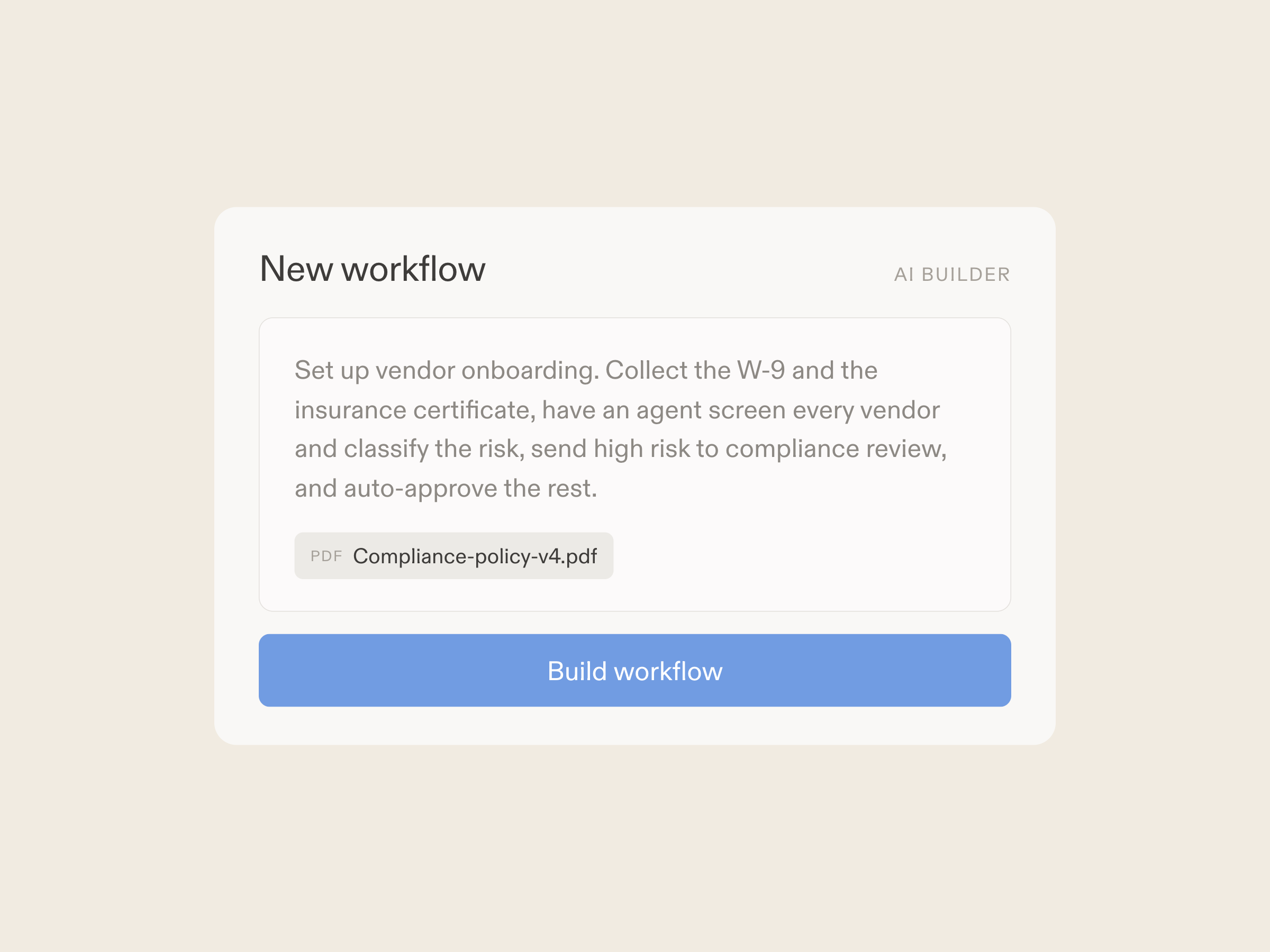
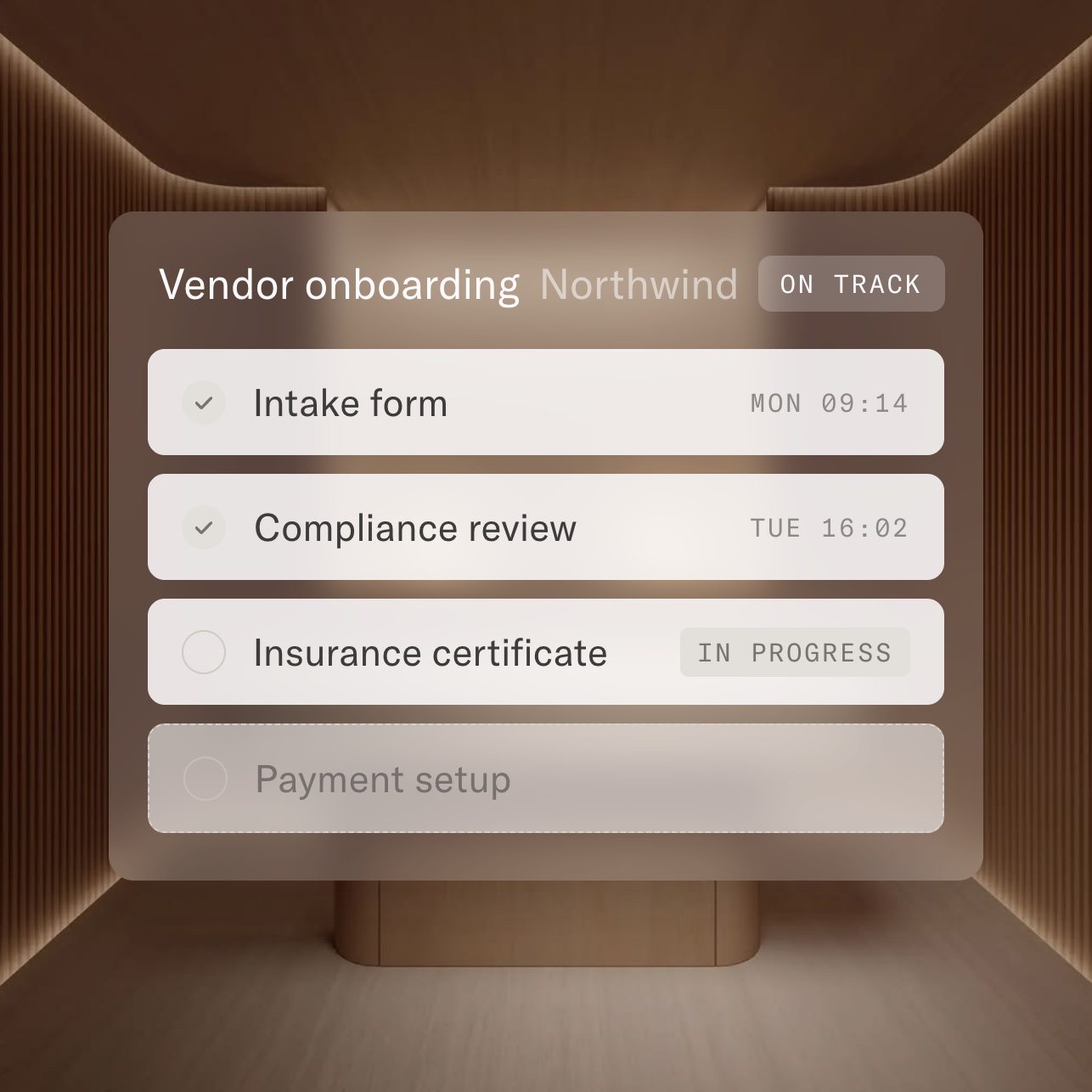
Your version of this process may vary based on roles, systems, data, and approval paths. Moxo’s flow builder can be configured with AI agents, conditional branching, dynamic data references, and sophisticated logic to match how your organization runs this workflow. The steps below illustrate one example.
Timesheet submission
The process begins when employees submit their timesheets at the end of the reporting period. Submissions include hours worked, project or cost center allocations, overtime if applicable, and any notes on exceptions. An AI Agent can assist by validating the submission for completeness — checking that total hours meet expected minimums, project codes are valid, and overtime entries include required justification.
Manager review
The direct manager reviews the submitted timesheet for accuracy, verifying that reported hours align with expected schedules, approved leave, and observed work. If discrepancies are found, the timesheet is returned to the employee with specific feedback for correction.
Project allocation review
For employees who bill time across multiple projects, project managers review the hours allocated to their projects. This confirms that reported project time matches actual deliverables and stays within project budgets. This review may occur in parallel with the manager review.
Exception handling
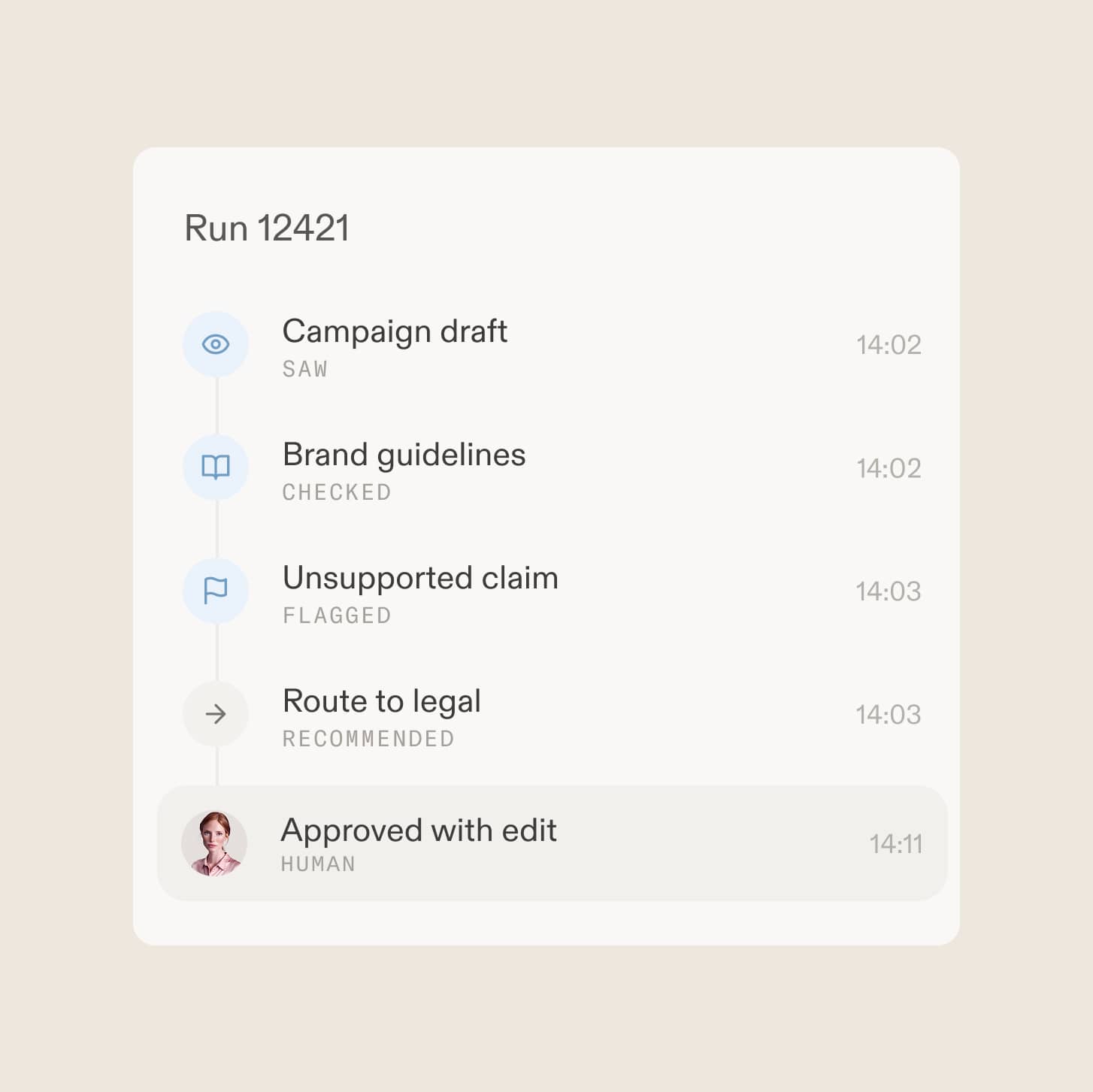
Timesheets that include overtime, holiday work, after-hours entries, or non-standard billing codes are flagged for additional review. Depending on policy, these may require senior manager approval or HR verification. An AI Agent may flag entries that fall outside standard patterns for the employee or department.
Approval and payroll submission
Once all required reviews are complete, the timesheet is approved and released to payroll for processing. Approved timesheets are also reflected in project cost tracking and client billing systems where applicable.
Record-keeping and reconciliation
Processed timesheets and their approval records are preserved. Any corrections submitted after approval follow a separate amendment process to maintain record integrity.
This process commonly relies on inputs such as submitted timesheets, project codes, cost center allocations, leave records, and overtime policies. It may be triggered by the end of a reporting period or an automated payroll calendar reminder. Connected systems often include time tracking tools like Toggl, Harvest, or Clockify, HRIS platforms like Workday or ADP for payroll processing, and project management tools for project cost allocation.
Key decision points include whether reported hours align with expected schedules and leave records, whether project-specific allocations are accurate and within budget, whether overtime or exception entries require additional authorization, and whether the timesheet is approved in time for the payroll processing deadline.
Late timesheet submissions that compress the review window and risk missing payroll deadlines. Incorrect project codes that allocate costs to the wrong project, distorting budget tracking and client billing. Overtime not flagged for approval, resulting in unapproved premium pay being processed. Manager bottlenecks when a single approver is responsible for a large number of timesheets and cannot review them all before the deadline. Corrections after payroll processing that require retroactive adjustments, creating administrative overhead and financial reconciliation issues.
Orchestrates timesheet review across employees, managers, project leads, and payroll in a single flow aligned to payroll deadlines.
Routes timesheets to the correct approvers based on reporting relationships and project allocations so reviews happen in parallel and on time.
AI Agents validate timesheet completeness at submission, flagging missing project codes, incomplete hours, or unsubstantiated overtime before the review cycle begins.
Handles exception routing for overtime, holiday work, and non-standard entries so they reach the right approver without slowing down standard timesheet processing.
Connects to time tracking and HRIS platforms like Workday, ADP, and Harvest so approved timesheets flow directly into payroll and project cost systems.
Preserves the complete approval record for every timesheet, including reviewer comments, exception handling, and authorization, supporting audit and financial reconciliation.