.webp)
When comparing NuORDER vs. Moxo, the better choice depends on what kind of processes your business is actually trying to run. NuORDER is best for wholesale buying and merchandising workflows, while Moxo is better for orchestrating complex business operations that span teams, systems, and external parties.
That difference matters more than feature checklists.
NuORDER is built to streamline how brands and retailers manage assortments, orders, and sales cycles. It excels when the core problem is digitizing wholesale transactions and improving how products are bought and sold.
Moxo, on the other hand, is designed for operations leaders who own processes with many handoffs, exceptions, and dependencies. Work where progress breaks down not because decisions are hard, but because coordination is. Moxo separates human judgment from execution, letting people stay accountable for approvals and exceptions while AI handles the routing, follow-ups, and system-level coordination that keep work moving.
In this article, we’ll compare NuORDER and Moxo across purpose, use cases, and operational fit so you can determine which platform aligns with how your business actually runs today, and what you need to scale without losing accountability.
Key takeaways
Choose NuORDER if your priority is modernizing wholesale buying and selling. If success for your team is measured by sell-in efficiency, order accuracy, and sales cycle speed, NuORDER delivers strong value with purpose-built wholesale workflows.
Choose Moxo if your priority is making complex business operations run faster, cleaner, and more reliably. If you’re accountable for cycle time, service levels, throughput, and reliability, Moxo is designed to remove execution friction while keeping human ownership clear.
If you need efficiency with accountability, Moxo is purpose-built. Humans stay responsible for approvals, exceptions, and outcomes while AI handles preparation, routing, follow-ups, and coordination
For operations that prioritize relationship orchestration and cross-functional workflows, commerce-only platforms like NuORDER may fall short. The gap shows up when orders require multiple stakeholders, custom negotiations, or exception handling, situations where the transaction is just the beginning of the work.
Evaluating NuORDER vs Moxo must start with your business goals. Pure commerce versus sophisticated operational coordination that ties together order exceptions, documents, and stakeholder decisions require fundamentally different platforms.
Comparison: NuORDER vs Moxo
What NuORDER is: B2B commerce for wholesale transactions
NuORDER is a B2B commerce platform built to modernize how brands and retailers buy and sell wholesale. It replaces manual, offline processes with digital catalogs, virtual showrooms, and streamlined order capture—making wholesale transactions faster and more accessible for both sides of the market.
Key features
Digital showrooms and product catalogs showcase merchandise visually, giving buyers an engaging experience that mirrors in-person showroom visits. Brands can present collections with high-quality imagery and customizable layouts.
Order entry and bulk order imports handle high-volume wholesale purchasing efficiently. Buyers can place large orders quickly, and the system manages the transaction processing that follows.
Custom payment terms and flexible pricing accommodate the complexity of wholesale relationships where every buyer might have different negotiated terms, volume discounts, or credit arrangements.
Inventory visibility and analytics help brands and buyers make informed decisions about what to order and when, reducing the back-and-forth that slows down purchasing.
Integrations with ERP, PLM, and POS systems to sync product and order data
Who is it for
Brands needing online B2B ordering and product showcase tools. Retailers who want a unified buying experience with product visuals and customizable pages. Operations where the primary challenge is converting product views into purchase orders efficiently.
Limitations
Optimized for commerce and transactions, not end-to-end operational workflows. When purchasing, finance, and operations all need to sign off before an order can proceed, commerce platforms weren't designed to orchestrate that sequence.
Limited support for complex, cross-functional processes after the order is placed. When your enterprise accounts need different approval chains than your standard wholesale buyers, commerce platforms struggle to accommodate the variation.
Exception handling, approvals, and multi-party coordination often fall outside the platform.
Less suited for operational work that spans multiple departments or external stakeholders.
Moxo: For orchestrating complex operation processes
Moxo is a Human + AI Process Orchestration Platform, not a commerce competitor, but a complementary layer that handles the operational complexity where transactional platforms stop.
NuORDER captures transactions while Moxo orchestrates the workflows that surround transactions, the approvals, negotiations, document collection, and exception handling that determine whether orders actually succeed.
Key features
Structured, end-to-end workflows that orchestrate multi-step processes across departments, systems, and external participants, keeping all work aligned in a single flow.
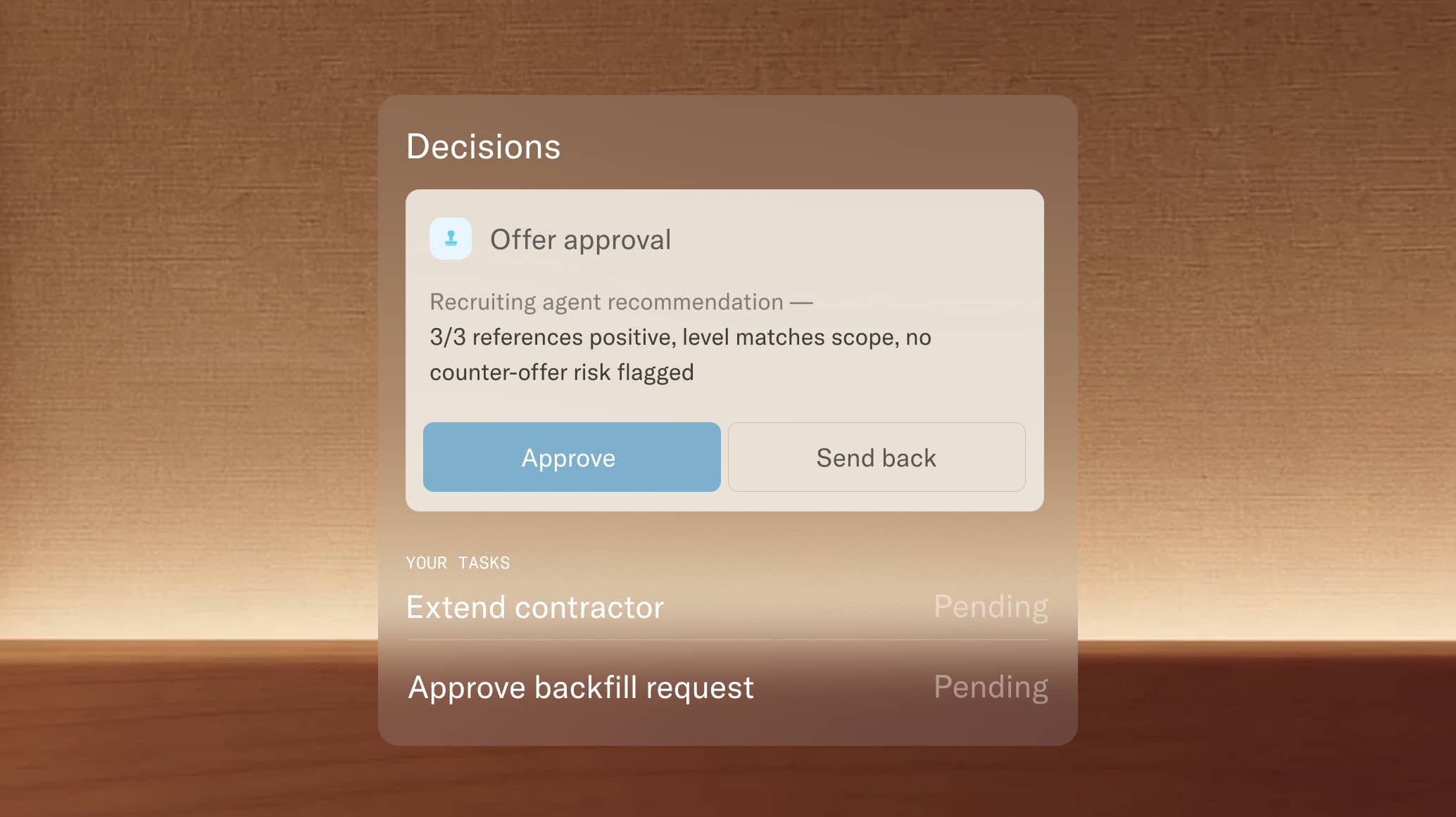
Human-in-the-loop approvals and exception handling, ensuring critical decisions remain explicitly owned by people rather than buried in automation.
Exception approval escalation for situations where standard terms don't apply and multiple stakeholders need to review. Moxo routes these exceptions through defined approval sequences with full audit trails, ensuring accountability without the email chaos of manual coordination.
Escalations and exceptions when standard processes don't fit. The order that doesn't match any template. The customer request that requires management approval. The situation where someone needs to make a judgment call. These moments need routing and accountability, not just a transaction interface.
Secure documentation and audit history tied to each interaction for compliance and dispute resolution. When the compliance team asks for evidence of approval sequences, you have it automatically.
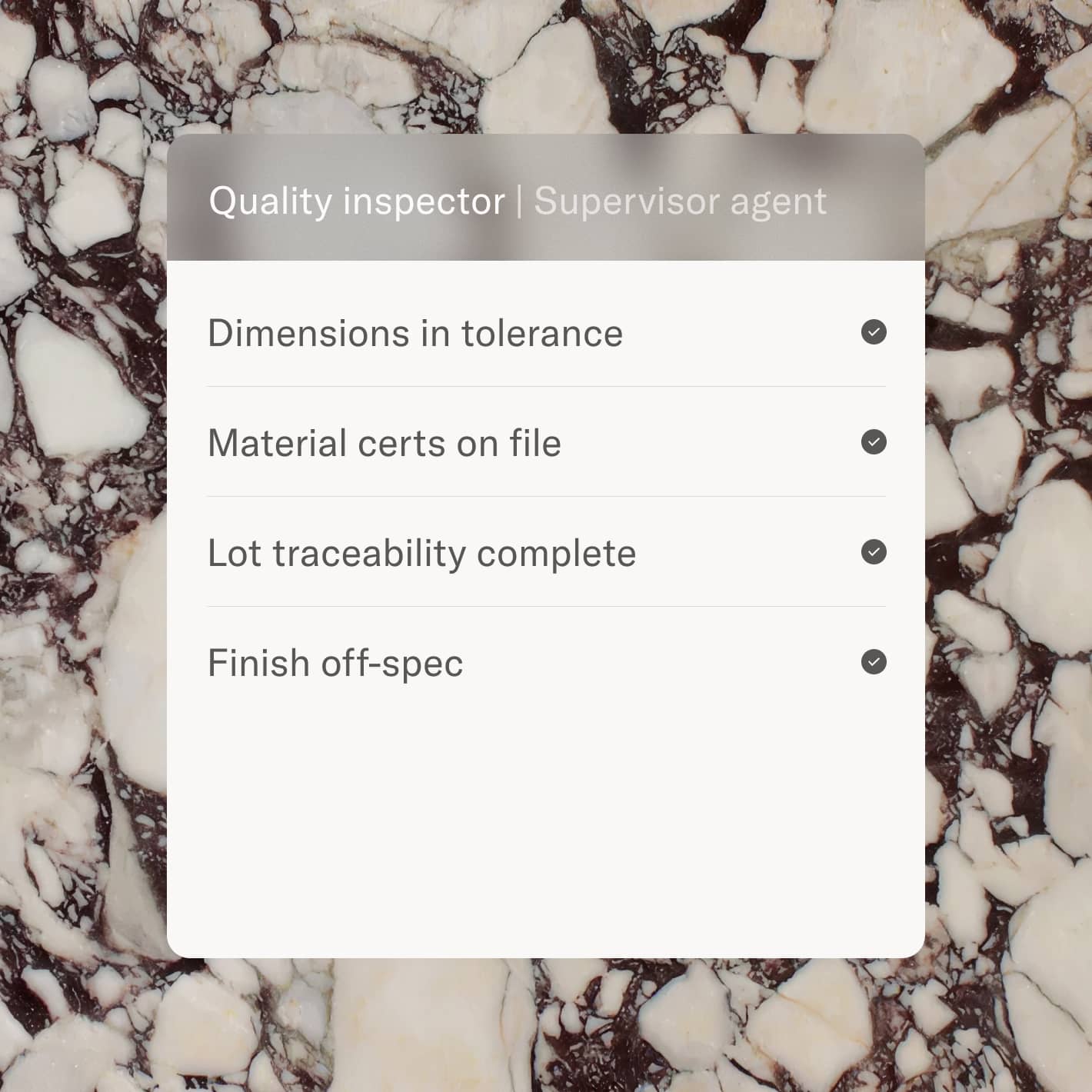
AI agents for coordination and execution, handling preparation, routing, validation, sending reminders, follow-ups, and monitoring so processes don’t stall between decisions.
Multi-party collaboration in context, allowing internal teams, customers, vendors, or partners to take action without relying on email threads or manual chasing.
Integration with core systems (such as CRM, ERP, and document systems) to connect data and actions without forcing work into a single monolithic system.
Who is it for
Moxo is best suited for operations leaders who own processes such as order-to-cash, vendor management, incident and exception handling, customer journey orchestration, or contract-to-renewal. It’s ideal when:
- Work spans multiple departments and external stakeholders
- Progress depends on approvals, exceptions, and judgment calls
- Accountability, visibility, and execution speed matter more than simple transaction capture
Limitations
Not designed as a commerce or product catalog platform; it does not replace digital showrooms or wholesale ordering tools.
Less relevant for organizations whose primary need is showcasing products and capturing purchase orders with minimal operational complexity.
Best value is realized when there is real coordination overhead. Simple, linear workflows may not require orchestration at this level.
We have been using Moxo for almost two years now, and it’s become an essential part of how we manage and deliver projects. The platform has completely streamlined the way we communicate with clients, organize tasks, and keep our internal team aligned. — The Mass Inbound team
When orchestration matters: Handling orders that require deep coordination
Wholesale processes often involve complexity that transaction systems weren't designed to handle.
Multi-stage approvals where purchasing, finance, and operations need to sign off. Each stakeholder has different criteria. Each needs visibility into the order details. Each approval needs to happen in sequence before the order can proceed. Without orchestration, this becomes an email chain that stalls for days while everyone tries to figure out whose turn it is.
Custom quotes and negotiations that span multiple rounds of revisions. The buyer wants different terms. You counter. They come back with a modified request. This back-and-forth needs to be tracked with full context, not reconstructed from scattered emails when someone asks what was agreed.
Documentation including contracts, compliance certifications, and technical specifications. Complex orders require paperwork. That paperwork needs to be collected, validated, and attached to the order record. Commerce platforms treat documents as attachments; orchestration platforms treat them as workflow steps.
These aren't just transactions. They're workflows that require coordination and accountability across time and stakeholders.
Real-world considerations for wholesale executives
When commerce platforms make sense: Choose a commerce platform like NuORDER when your priority is efficient digital selling and catalog management. Orders are relatively standardized with minimal customization. Interaction complexity is low, and the transaction itself is the main challenge you're solving. Your buyers want a clean purchasing experience; your operations team wants orders captured accurately.
When process orchestration becomes critical: Choose an orchestration platform like Moxo when orders routinely involve custom approvals or exceptions. Coordination across teams and customers is frequent rather than exceptional. Document exchange, compliance checks, or multi-stage decisions are part of execution, not edge cases you handle manually. If you're spending significant time coordinating work outside your commerce platform, you've outgrown commerce-only capabilities.
Final verdict: Choose the platform that matches how your work actually runs
The decision between NuORDER and Moxo depends on which one aligns with the kind of work your business is doing.
If your primary goal is to digitize wholesale selling, showcase products, and convert buyer interest into purchase orders efficiently, NuORDER is purpose-built for that job. It excels when the transaction is the work.
If, however, the real complexity starts after the order, when approvals, exceptions, documents, and multiple stakeholders must stay aligned then a commerce platform alone will fall short. That’s where Moxo stands apart. Moxo is designed for operations leaders who need to move complex processes forward with speed, visibility, and clear human accountability.
At a buying stage, the most important question to ask is simple: Is your bottleneck selling the order or executing everything that surrounds it?
Answer that honestly, and the right platform becomes clear.
Get started with Moxo to orchestrate approvals, coordinate stakeholders, and manage the operational complexity that commerce platforms weren't designed to handle.
FAQs
What are NuORDER alternatives for B2B commerce?
Solutions include traditional commerce platforms like JOOR, CS-Cart Multi-Vendor, and others listed in competitive summaries. Each focuses primarily on catalog presentation, order capture, and transaction processing for wholesale relationships.
How does Moxo differ from NuORDER?
NuORDER focuses on transactions and commerce including digital catalogs and order entry. Moxo focuses on interaction orchestration and structured workflows including approvals, exception handling, and stakeholder coordination that extends beyond the initial transaction.
Can Moxo integrate with wholesale commerce platforms?
Yes. Moxo integrates with enterprise systems including ERP and CRM to bring workflow context into transactional processes. This allows organizations to use commerce platforms for ordering while using Moxo for the operational complexity that follows.
Is it possible to combine NuORDER with Moxo?
Many organizations use commerce platforms for ordering and workflow platforms like Moxo for approvals, exceptions, and orchestration. The combination addresses both transaction efficiency and operational complexity without forcing one platform to do jobs it wasn't designed for.
When should wholesale operations prioritize workflow orchestration over commerce features?
When your operations involve frequent exceptions, custom approvals, multi-stakeholder coordination, or long-cycle orders that require ongoing management rather than simple transaction capture. If you're spending significant time coordinating work outside your commerce platform, you need workflow orchestration capabilities.