
Table of Contents
AI agents are software systems that use large language models to plan and complete multi-step work on their own: reading documents, filling forms, drafting responses, routing tasks, and taking actions in other systems. In 2024 the question was whether they worked. In 2026 the question is which one finishes the specific work you need done, and who stays accountable for the result.
That second question is the one most rankings skip. An agent that drafts an email is easy. An agent that runs a client onboarding across your team, your client, and three systems, and leaves a record of who approved what, is a different class of software. This guide covers the full landscape, because “best AI agent” depends entirely on the job.
We grouped 19 agents into five categories by the work they do: platforms and builders for making and running your own agents, the foundational model agents from the frontier labs, general-purpose agent products built on top of them, developer frameworks, and specialists that win a single job. The foundational models get their own category for a reason: they are not competitors to the platforms and products in the other categories. They are the foundation the entire field runs on. The strongest setups combine the layers, with model-layer agents doing the thinking inside a platform that supplies the structure, the permissions, and the record.
The list at a glance
| # | Agent | Category | Best for | Pricing (as of August 2026) |
|---|---|---|---|---|
| 1 | Moxo | Agent builder | Business operations teams building complex workflows | Free trial; from $500/mo |
| 2 | n8n | Agent builder | Technical teams building agent workflows | Free self-hosted; cloud from €20/mo |
| 3 | Zapier Agents | Agent builder | Agents across thousands of connected apps | Free tier; from ~$33/mo |
| 4 | Lindy | Agent builder | Personal and team task automation | From $29.99/user/mo |
| 5 | Gumloop | Agent builder | Marketing and data pipelines | From $37/mo |
| 6 | Make | Agent builder | Visual automation with agents on a budget | Free tier; from $12/mo |
| 7 | MindStudio | Agent builder | No-code agents for individuals and SMBs | Free tier; $20/mo |
| 8 | StackAI | Agent builder | Enterprise no-code agents in regulated teams | Free tier; enterprise custom |
| 9 | Relevance AI | Agent builder | An AI workforce for GTM and ops teams | Demo-gated |
| 10 | ChatGPT Agent | Foundational model | The most capable all-round personal agent | Plus $20/mo, Pro $200/mo |
| 11 | Claude | Foundational model | Reasoning, writing, analysis, and coding | Pro $20/mo, Max from $100/mo |
| 12 | Grok | Foundational model | Real-time information and X-native work | SuperGrok $30/mo |
| 13 | Perplexity | General-purpose | Research with sources, plus an agentic browser | Free; Pro $20/mo |
| 14 | Manus | General-purpose | Hands-off autonomous research and builds | Credit-based, free tier |
| 15 | Vellum | General-purpose | A personal assistant with memory and a computer | Free tier; from $30/mo |
| 16 | LangGraph | Developer framework | Production agent systems in code | Open source; paid observability |
| 17 | CrewAI | Developer framework | Multi-agent crews in Python | Open source; paid platform |
| 18 | Devin | Specialist: coding | An autonomous software engineer | Usage-based, entry from $20 |
| 19 | Intercom Fin | Specialist: support | Resolving support tickets | $0.99 per resolution |
How we picked
Four questions, applied to every entry, because they are the four questions buyers actually ask. Does it drive real outcomes, finishing work end to end rather than producing a draft someone still has to carry across the line? Can you control it, with a person able to review, approve, and step in where the work needs judgment? Does it hold up at scale, as the people, processes, and volume grow? And can you manage the cost, seeing what a run will spend before you commit?
The weighting shifts by category. Foundational model agents are judged as foundations rather than process tools, because that is what they are. Builders and platforms are judged on what they let you ship and on what happens after: supervision, accountability, and the record. Specialists are judged on their single job.
Best AI agent builders and platforms
These are the platforms for building and running your own agents, and it is where agents stop being a productivity boost for one person and start changing how an operation runs. The tools span a spectrum, from no-code builders for operators to engines for technical teams. What actually splits the category is what happens after the agent is built: what it runs inside, who supervises it, and who stands behind the result when it touches clients, money, and compliance. We compare builders in more depth in our dedicated guide.
1. Moxo
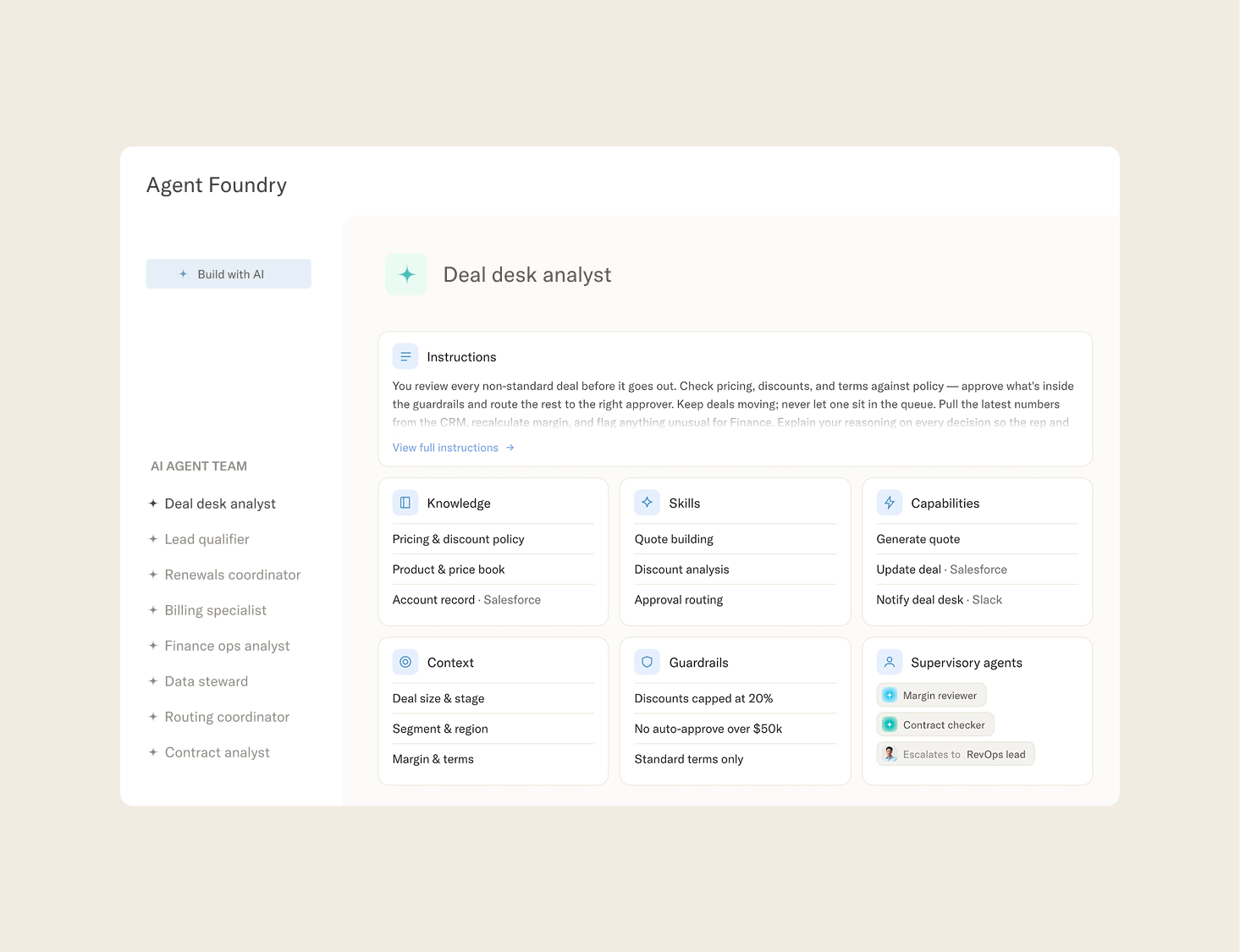
Moxo is an AI workflow automation platform for business operations. People and AI agents work the same flow: agents handle the running work, people make the calls that need judgment, and the process runs end to end across your operation.
The agents do the coordination that eats an operations team's week. They prepare documents, chase what is overdue, validate submissions before a person sees them, route work, and monitor progress. You build them in Agent Foundry or bring your own, grounded in your playbooks, with no code needed. Choose the model for each task or let Moxo route it automatically, and every run shows its cost and token spend. Agents are graded on real outcomes, not answers, so they get sharper with every run.
What separates Moxo from everything else on this list is the kind of control it gives you. AI agents do the running work inside a process you define, with the guardrails built in rather than bolted on. Decisions that need judgment route to a named person. Supervisor agents monitor running work live and flag what is off before it compounds. Decision tracing gives you a full audit trail of every run: what the AI saw, what it recommended, what the human decided. In regulated industries and complex use cases, that control is what turns agents from a pilot into production. The result is a team that gets the leverage of AI agents and manages the outcomes they drive, measured in cycle time, throughput, and SLA performance. And when a process crosses company lines, outside participants act through magic links in a branded portal, no accounts required.
Moxo is built for multi-party business processes, not personal inbox automation. If you want an agent for your own email and calendar, Lindy or Vellum below are the better fit.
Best for: business operations teams that want AI agents doing the running work while keeping control: judgment at the decisive steps, supervision in flight, and outcomes they can measure and stand behind.
Pricing: free trial; from $500/month. Details at moxo.com/book-demo.
2. n8n
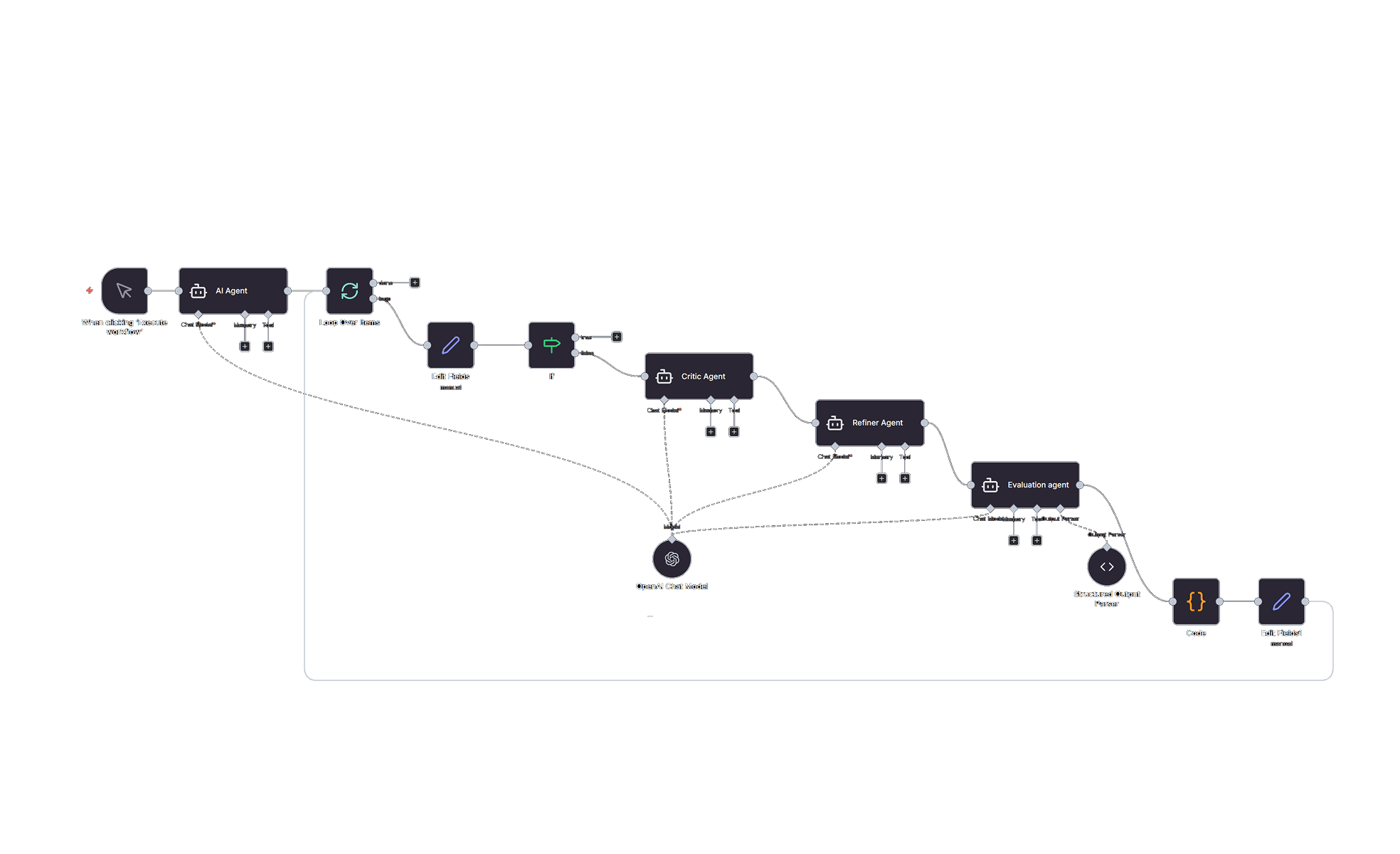
n8n is the technical operator's choice: a source-available workflow engine with first-class AI agent nodes, 1,000+ integrations, and the option to self-host everything. Its agent builder wires LLMs, memory, and tools into workflows with real logic and error handling, which is why it has become the default recommendation in developer communities.
The learning curve is real, and the polish of managed SaaS tools is not the point. You trade convenience for control, data residency, and price.
Best for: technical teams that want control, self-hosting, and agent logic without vendor lock-in.
Pricing: free self-hosted community edition; cloud from €20/month. As of August 2026.
3. Zapier Agents
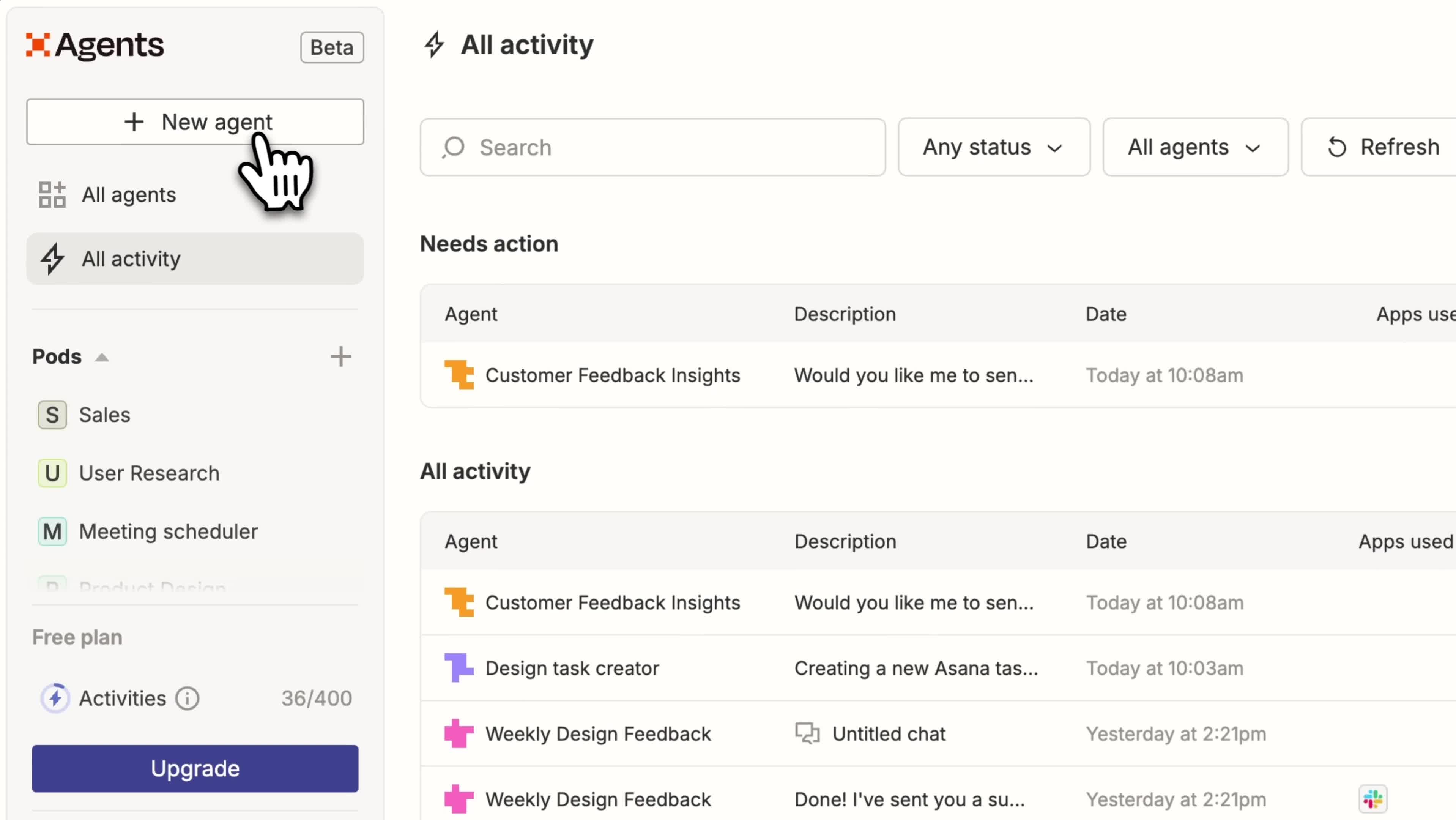
Zapier Agents sit on top of the widest app catalog in automation. They watch for triggers, pull from knowledge sources you give them, browse the web, and take actions across thousands of connected apps. If the work you want automated is “when this happens over here, figure out the right thing and do it over there,” Zapier Agents get you there with almost no setup.
Agents are billed on activities, separate from Zapier's task plans: a free tier includes 400 activities a month, with paid starting around $33 a month for 1,500. Watch the meter on busy agents. The deeper limit is structural: Zapier is app-to-app plumbing, and human judgment, approvals, and external participants are not first-class citizens in it.
Best for: app-to-app automations with a layer of judgment, inside teams already on Zapier.
Pricing: free tier, 400 activities/month; from ~$33/month for 1,500. As of August 2026.
4. Lindy
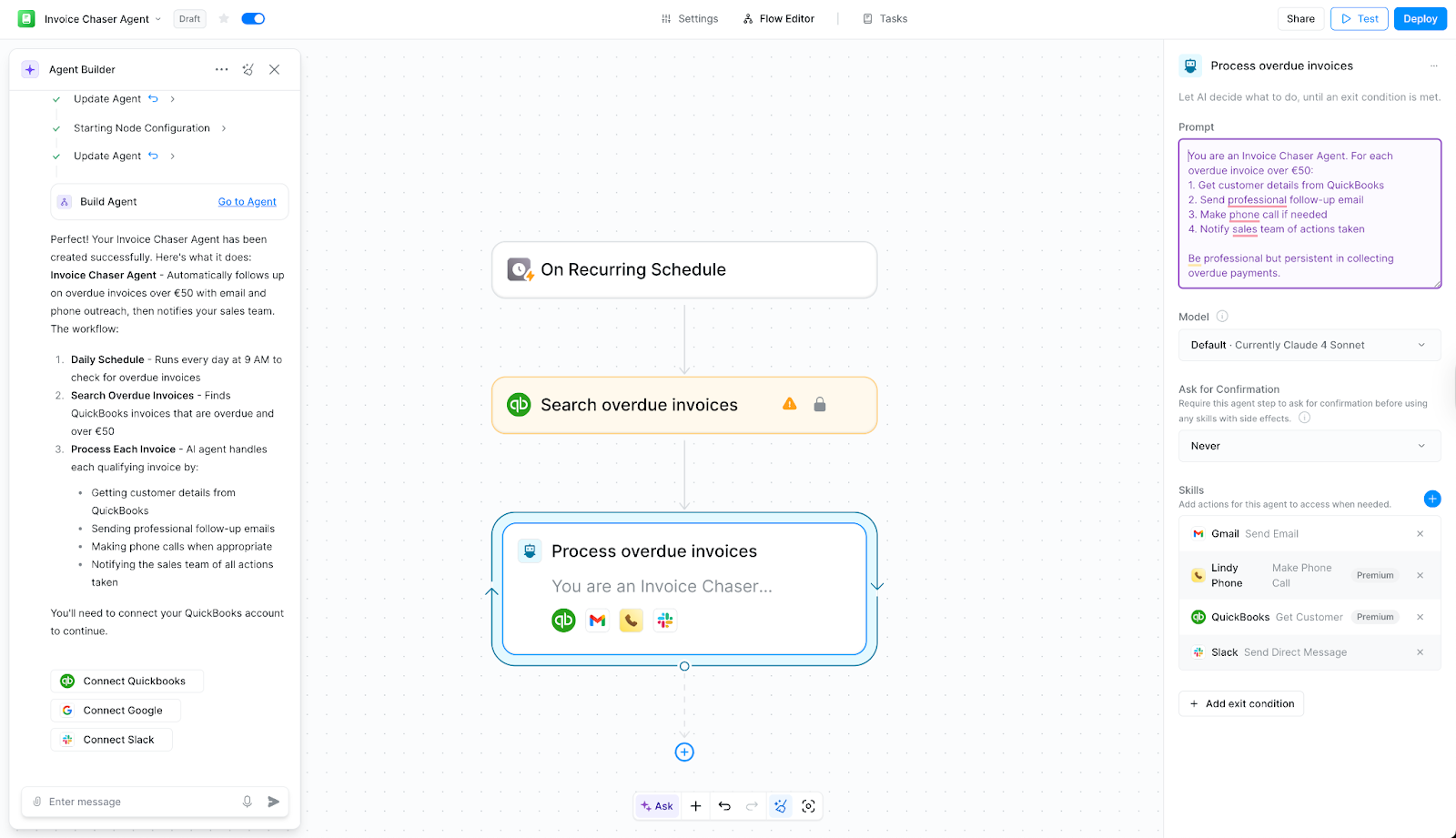
Lindy makes personal and team assistant agents you set up in plain language: triage this inbox, schedule these meetings, update the CRM after every call, answer the phone. Hundreds of templates and integrations make it one of the fastest paths from “I keep doing this manually” to an agent that does it for you.
The shape to understand is per-person assistant, priced per seat with credit limits. It is excellent at clearing an individual's repetitive work. It is not built to run a process that spans a team, an approval chain, and a client, and costs climb as you add seats and volume.
Best for: individuals and small teams automating email, scheduling, and CRM upkeep.
Pricing: from $29.99/user/month (Plus, 3k credits), $99.99 Pro, $199.99 Max. Free trial, no permanent free tier. As of August 2026.
5. Gumloop
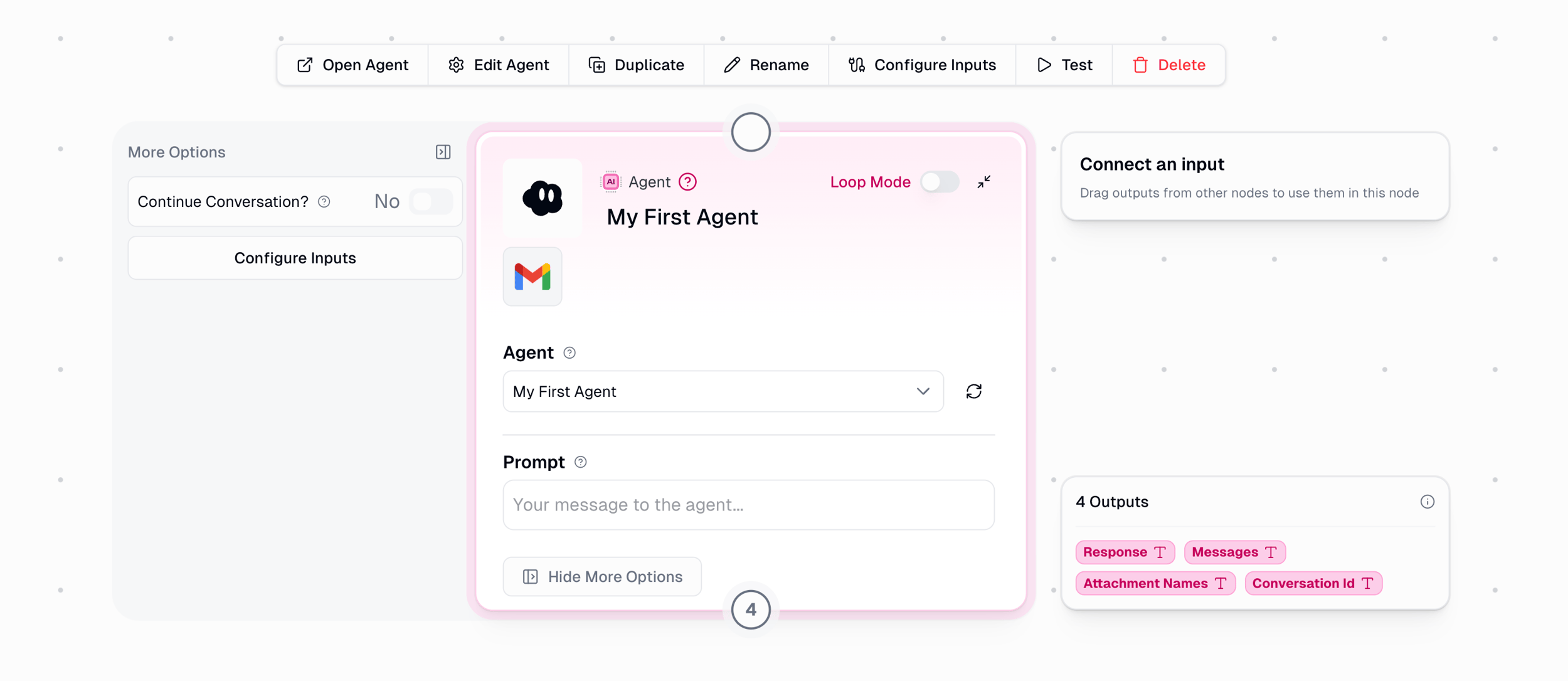
Gumloop is a visual builder for AI-powered pipelines, strongest in marketing, SEO, and data operations: scraping, enrichment, content generation, research at volume. Operators drag nodes onto a canvas, wire in one of 35+ models, and ship workflows that would otherwise need an engineer. Unlimited seats on the paid plan is a genuinely friendly touch.
It is a builder's tool for internal pipelines. Human review steps exist but the center of gravity is throughput of data and content, not processes where people inside and outside the company both act and where someone signs off.
Best for: marketing and data teams running high-volume AI pipelines.
Pricing: Pro from $37/month with 20,000 credits; 14-day trial; enterprise custom. As of August 2026.
6. Make
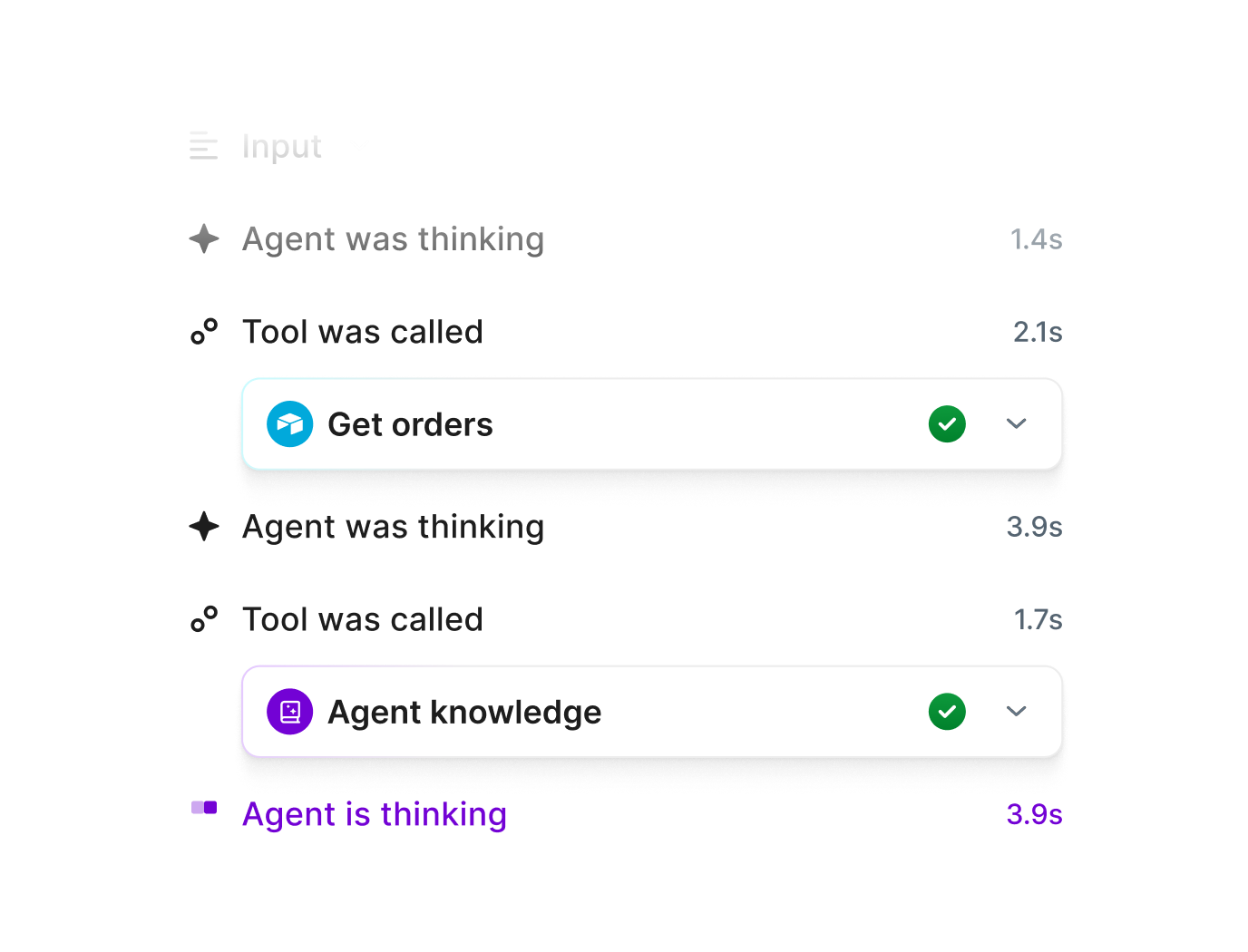
Make is the budget-friendly visual automation platform, with AI agents now available on every plan, including the free one. Its canvas connects 3,000+ apps, and agents can be powered by Make's AI provider or your own model keys. For the price of lunch, a small team gets a genuinely capable automation and agent layer.
Make's agents inherit its scenario-based model: strong for connecting apps and running steps, thin on the process side (roles, approvals, external participants). Complex builds can also get visually tangled at scale.
Best for: small teams and solo operators automating on a budget.
Pricing: free tier, 1,000 credits/month; Core from $12/month. As of August 2026.
7. MindStudio
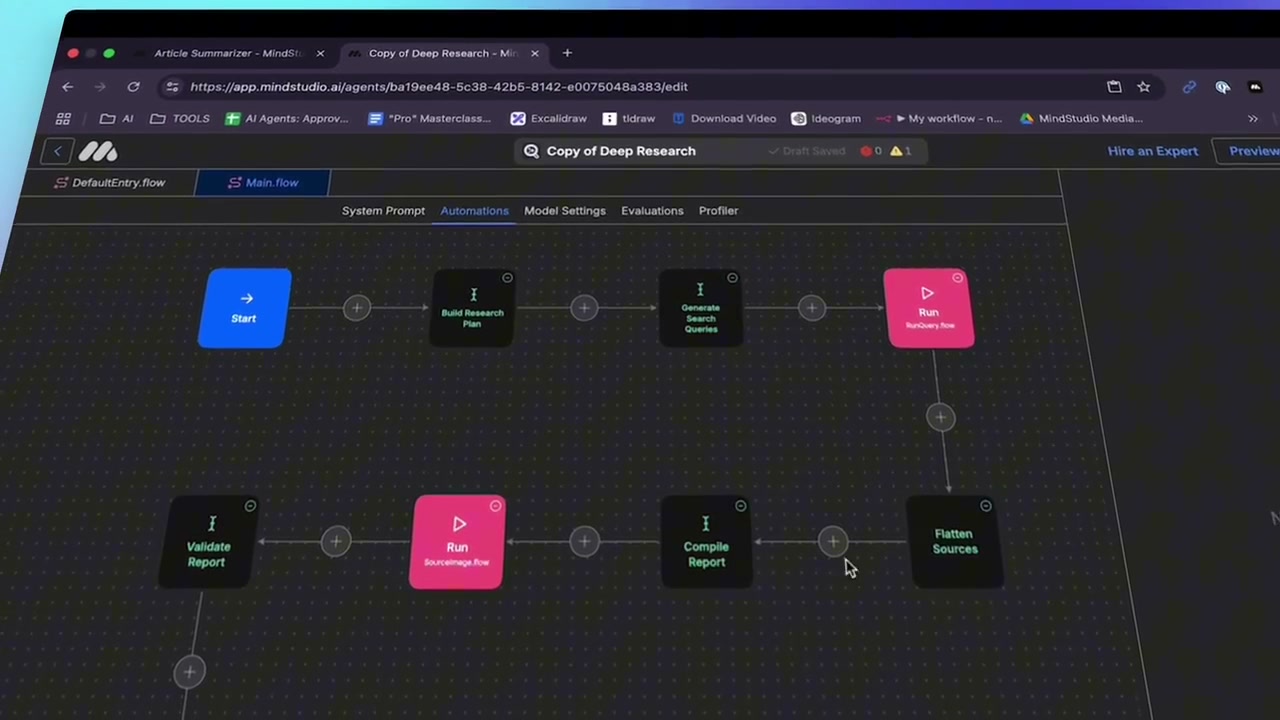
MindStudio is one of the most accessible no-code agent builders: a visual IDE where non-engineers design, test, and publish agents, with access to 200+ models and pay-what-the-provider-charges AI costs. The free tier is enough to ship a real agent, and $20 a month removes the limits, which makes it a favorite for individuals and small businesses getting their first agents live.
It is agent-app-shaped rather than process-shaped: great for building a discrete agent that does a job, less so for orchestrating many people and agents through a governed flow.
Best for: individuals and SMBs shipping their first production agents without engineers.
Pricing: free tier; Individual $20/month; business custom. As of August 2026.
8. StackAI
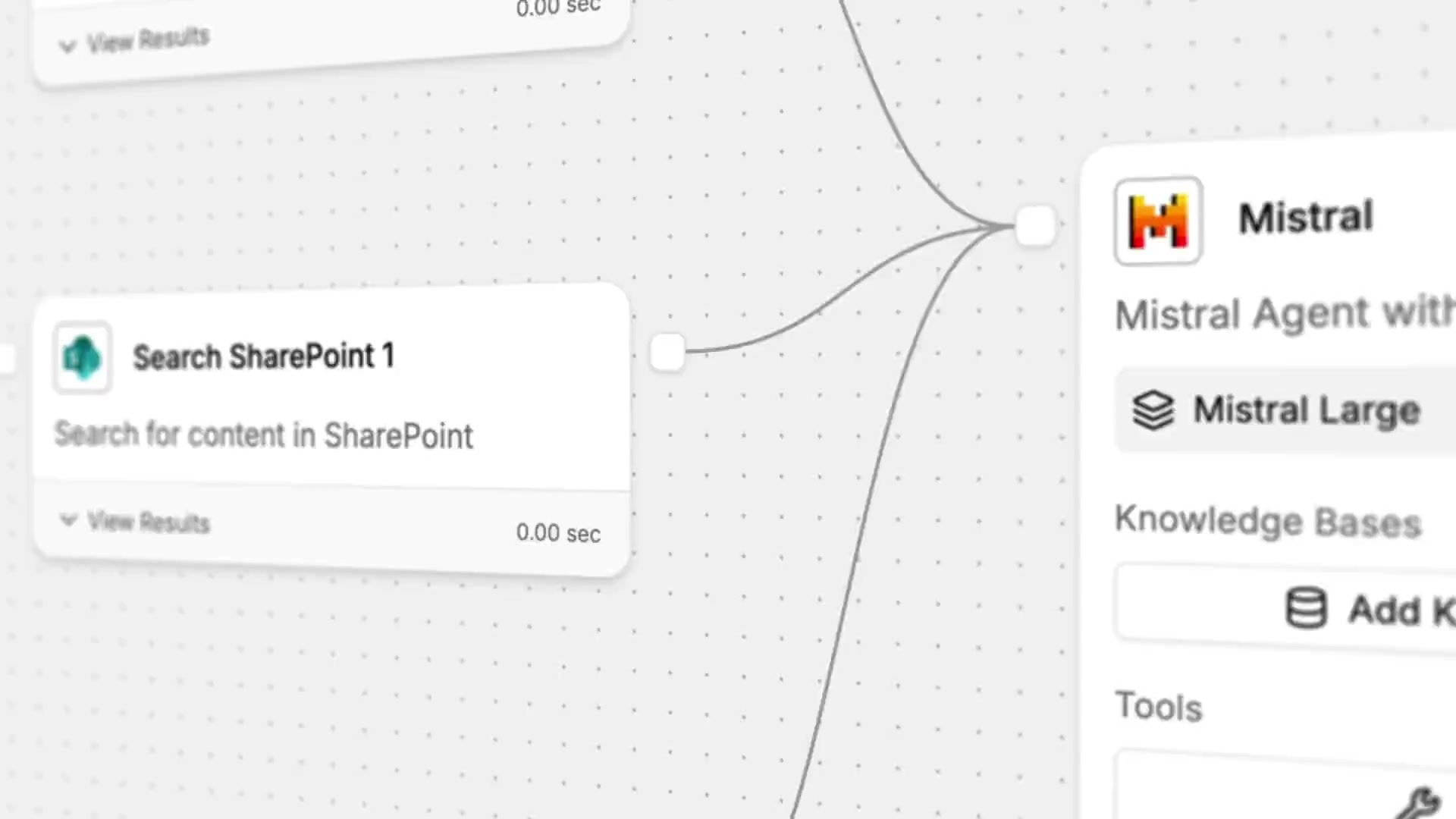
StackAI is a no-code agent platform aimed at the enterprise end of the market: banks, healthcare, government, and other regulated teams building internal agents with on-premise and VPC deployment, SSO, and SOC 2 and HIPAA compliance. Operators build agents visually on enterprise data with the security team's blessing.
Pricing has moved to a free-tier-plus-enterprise model, so mid-market buyers should expect a sales conversation rather than a card checkout.
Best for: regulated enterprises building internal agents with strict security requirements.
Pricing: free tier (500 runs/month); enterprise custom. As of August 2026.
9. Relevance AI
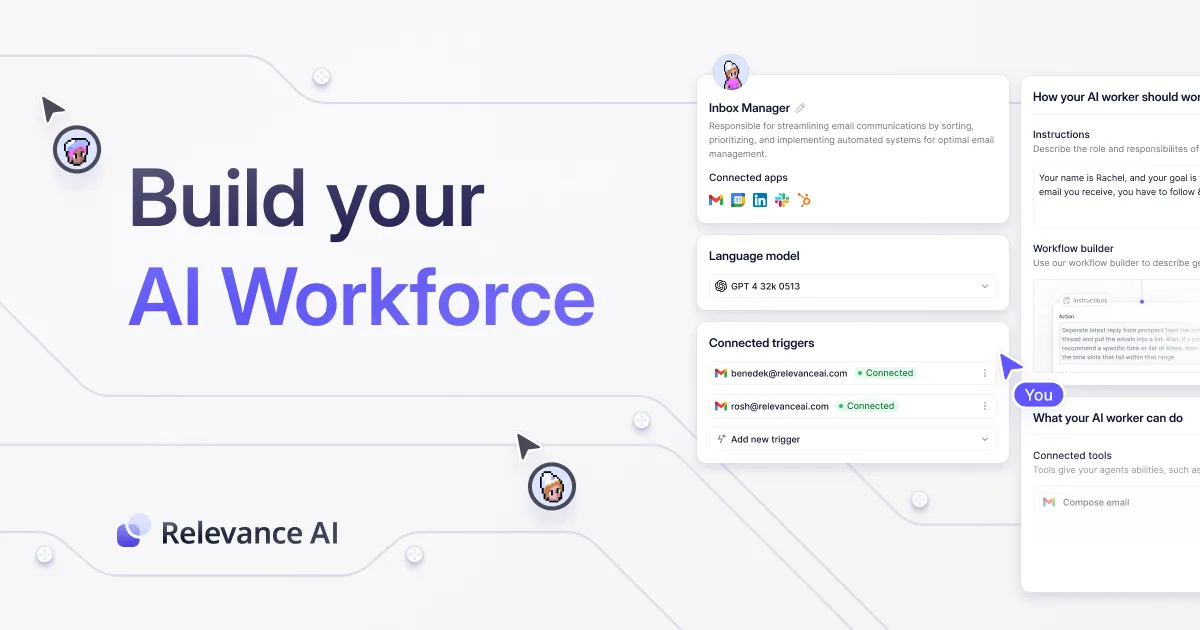
Relevance AI sells the “AI workforce” vision: teams of agents with defined roles working together, popular with go-to-market and ops teams building researcher, SDR-support, and enrichment agents. Multi-agent teams, a tool library, and templates make the workforce metaphor feel concrete.
Pricing is now demo-gated with an enterprise motion, and the workforce framing still leaves the accountability question to you: which human owns what the agent team produces.
Best for: GTM and ops teams building multi-agent teams for research and enrichment.
Pricing: demo-gated; see relevanceai.com.
The foundational model agents
These are the frontier labs' own agents, and they are a category apart. Every platform, builder, and product on this list runs on models from these labs, so treating them as competitors to the tools above misreads the stack: they are the engine, and everything else is a vehicle built around it. Moxo is bring-your-own-agent, so agents built on any of these models plug into Moxo flows as first-class participants. Use this category to pick the agent you and your team work with directly.
10. ChatGPT Agent
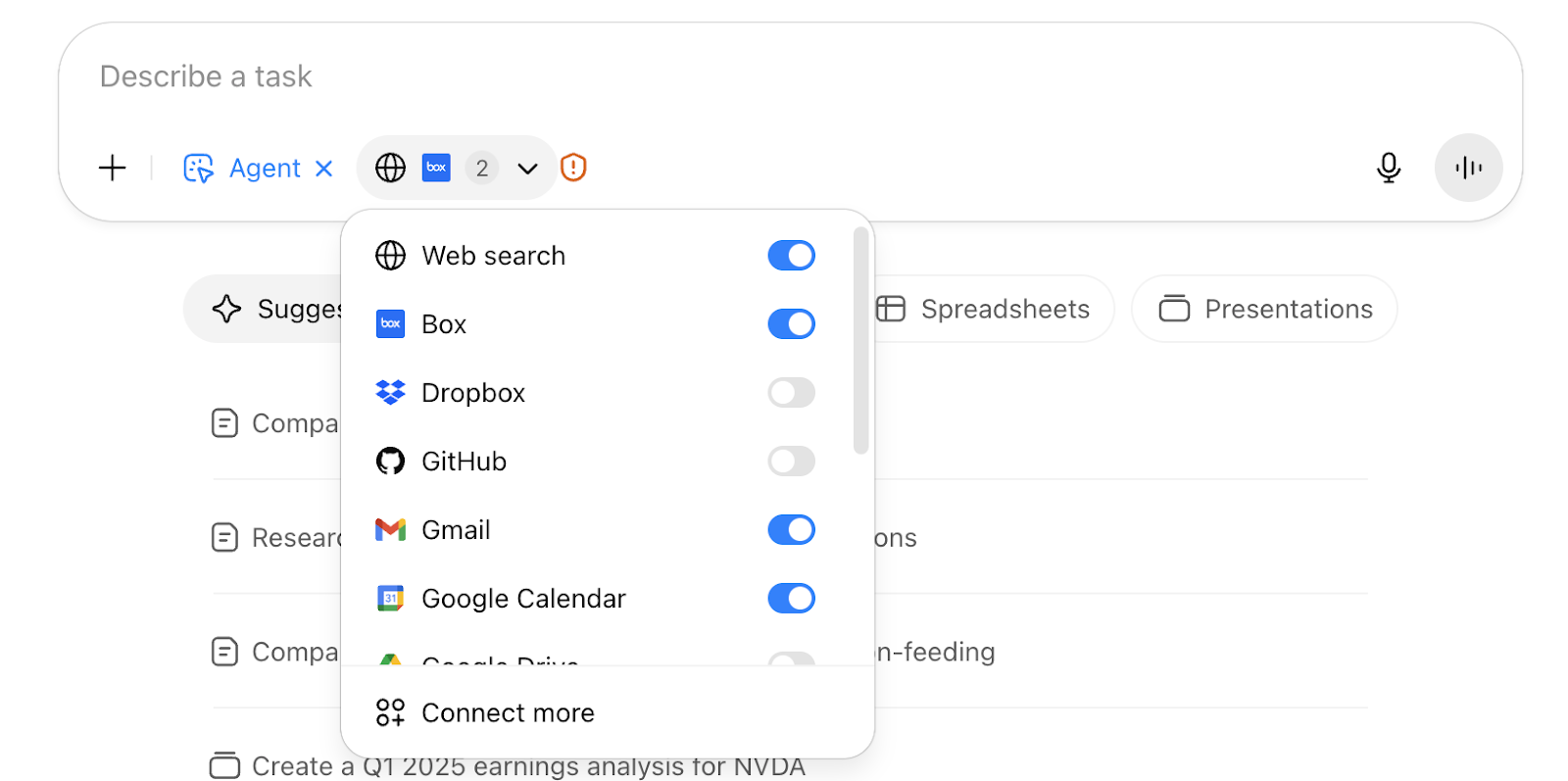
ChatGPT's agent mode gives the world's most widely used assistant a computer: it browses, runs code, works with files, and carries out multi-step tasks like research, analysis, and slide building from a single prompt. For an individual, it is the most capable general agent you can get for $20 a month. For developers, OpenAI's AgentKit extends the same models into custom agent building on the API platform.
Its shape is a brilliant assistant for one person. The work lives in a chat thread, not in a process with roles, handoffs, and a record, which is fine for personal work and limiting the moment a second person, or a client, is involved.
Best for: individuals who want the most capable all-round personal agent.
Pricing: Plus $20/month, Pro $200/month, team and enterprise plans available. As of August 2026.
11. Claude
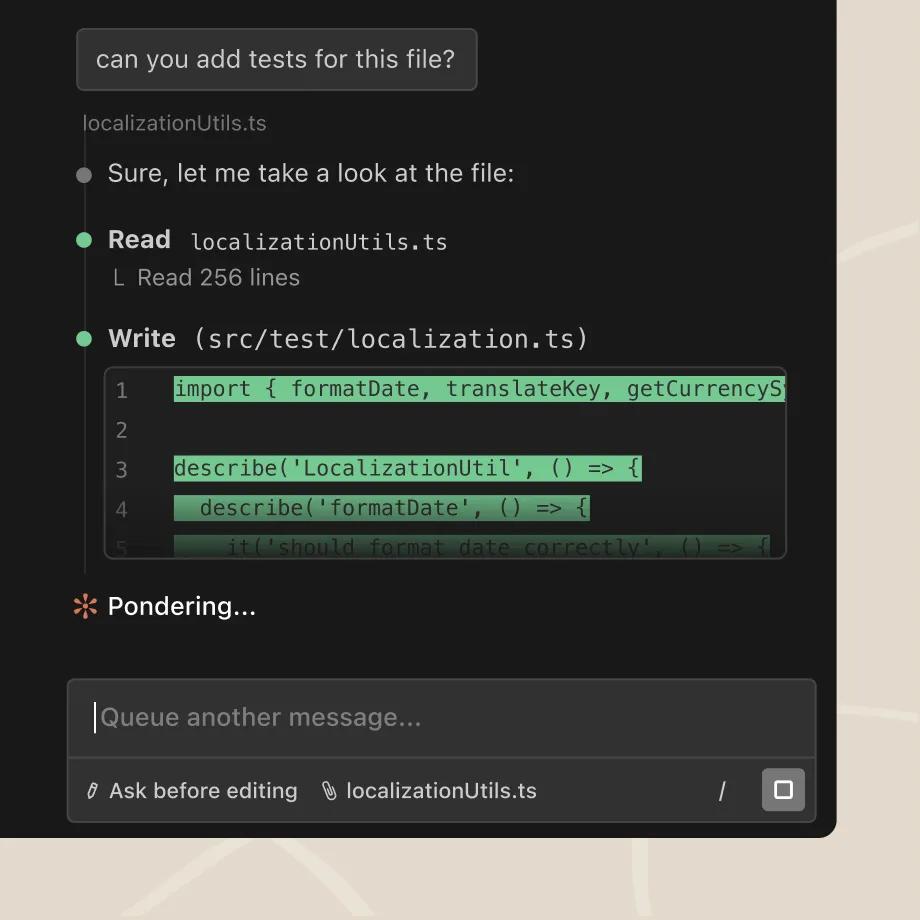
Anthropic's Claude is the assistant of choice for long, careful work: deep analysis, serious writing, complex documents, and code. It sustains multi-step reasoning over large contexts, uses a computer, and builds artifacts, and it is the model many teams quietly standardize on for quality. The same subscription includes Claude Code, the coding agent that has become the default way serious engineering teams apply agents to software, which makes Claude arguably the best value in the category for anyone whose work spans writing and code.
Like ChatGPT, it is a single-user tool at heart. The leverage multiplies when Claude-built agents run inside a structure that adds roles, permissions, and an audit trail.
Best for: knowledge workers doing analysis, writing, and technical work, and teams whose engineers live in Claude Code.
Pricing: Pro $20/month ($17 annual), Max from $100/month, team plans from $25/seat. As of August 2026.
12. Grok
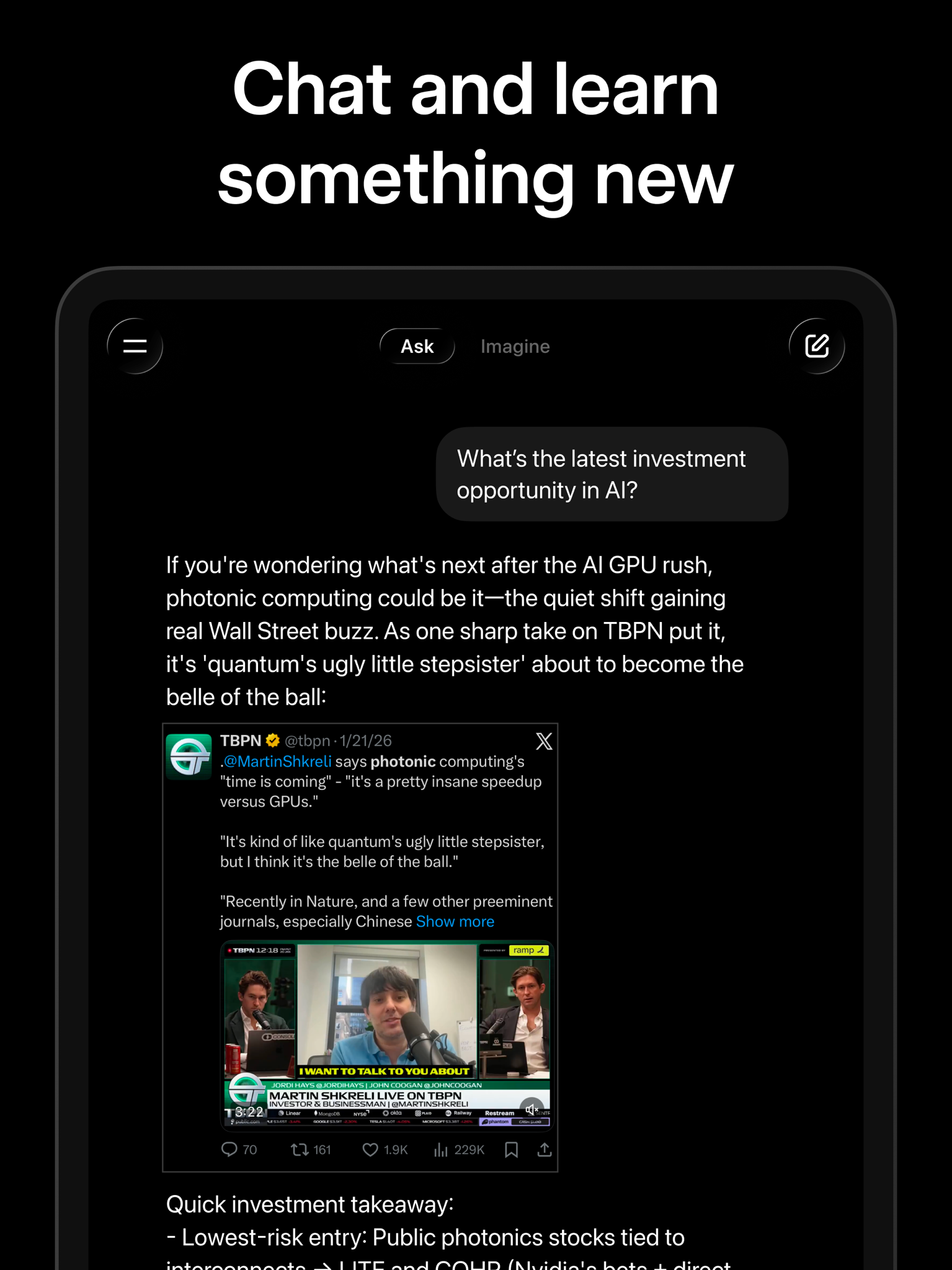
Grok is xAI's agent, and its edge is immediacy: native access to real-time conversation on X, fast agentic search, and increasingly capable tool use through its own apps and API. For work that depends on what is happening right now (markets, news, public sentiment), Grok sees what other agents index hours later.
The ecosystem centers on X, and its enterprise governance story is younger than those of the other labs.
Best for: real-time information work and X-native audiences.
Pricing: SuperGrok $30/month; also included with X Premium+. As of August 2026.
Best general-purpose AI agents
These are agent products built on top of the foundational models, each with a distinct take on what a personal agent should be.
13. Perplexity
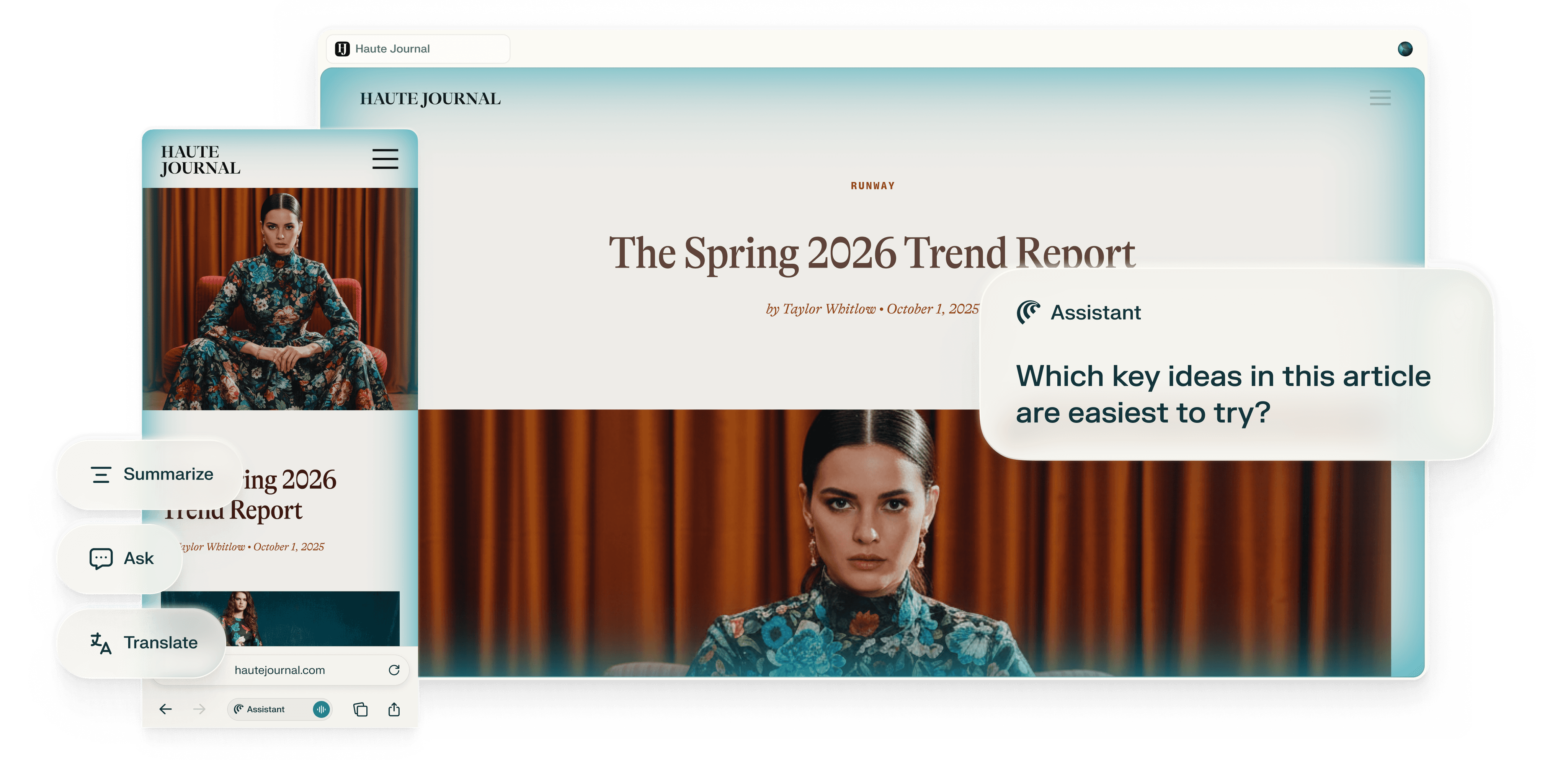
Perplexity turned the answer engine into an agent: Deep Research runs long investigations with cited sources, and Comet, its agentic browser, acts directly on web pages, filling, clicking, and completing tasks where the work actually lives. For anyone whose job is finding things out and showing their sources, it is the sharpest tool in the category.
Its center of gravity is research and browsing. For broad task execution, file work, and code, the foundational model agents above still lead.
Best for: research-heavy individuals and teams that need sources they can check.
Pricing: free tier; Pro $20/month. As of August 2026.
14. Manus
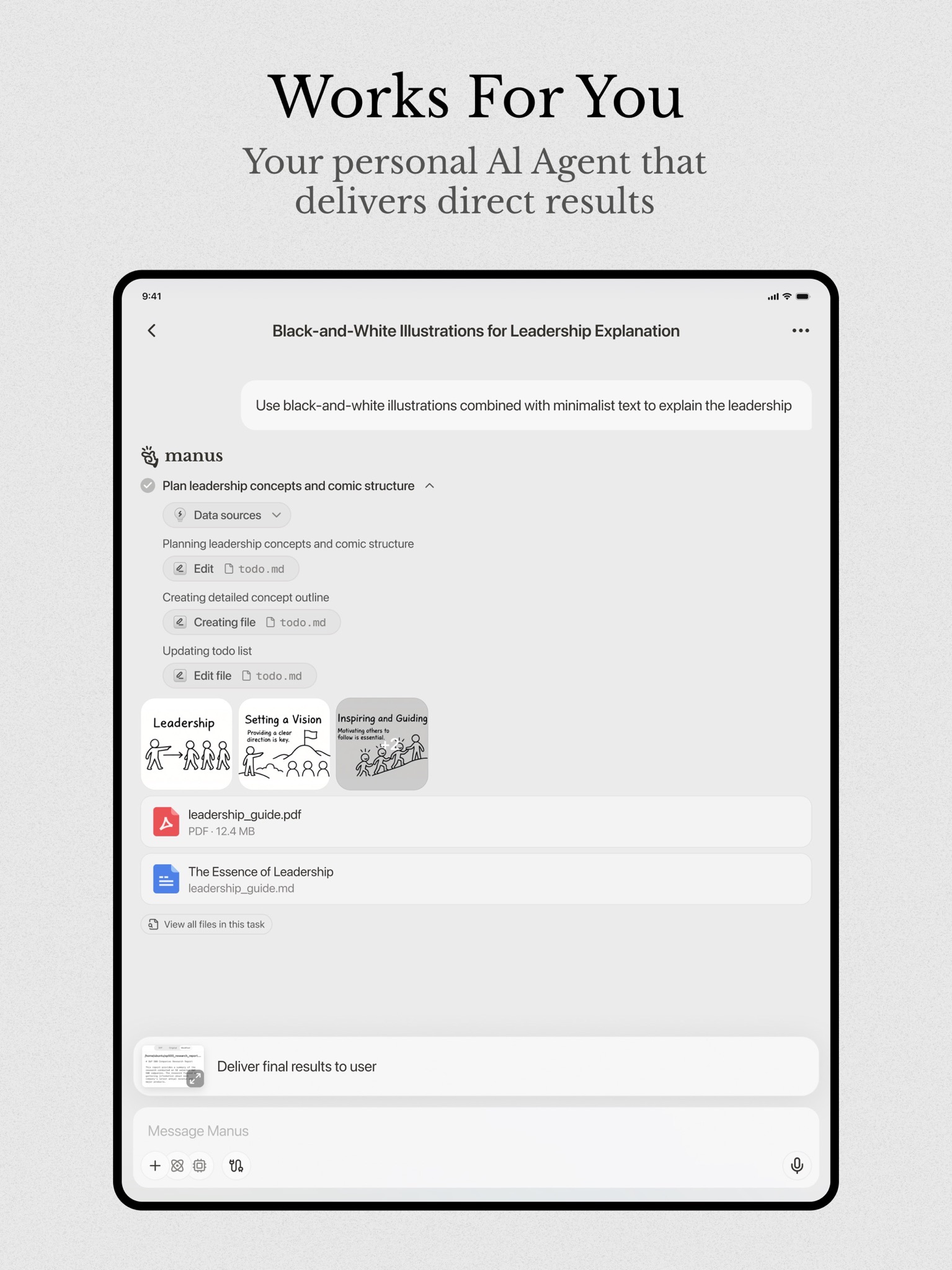
Manus is the purest expression of autonomy on this list: give it a goal, and it works alone in a cloud sandbox for minutes or hours, researching, browsing, building files and dashboards, then hands back the finished artifact. For open-ended research and build tasks it is genuinely impressive.
Autonomy is also the caveat. It optimizes for working without you, so checking the output is entirely on you, and there is no organizational structure around it: no roles, no approvals, no record beyond the session.
Best for: hands-off research, analysis, and one-off build tasks.
Pricing: credit-based subscriptions with a free tier; current tiers at manus.im.
15. Vellum
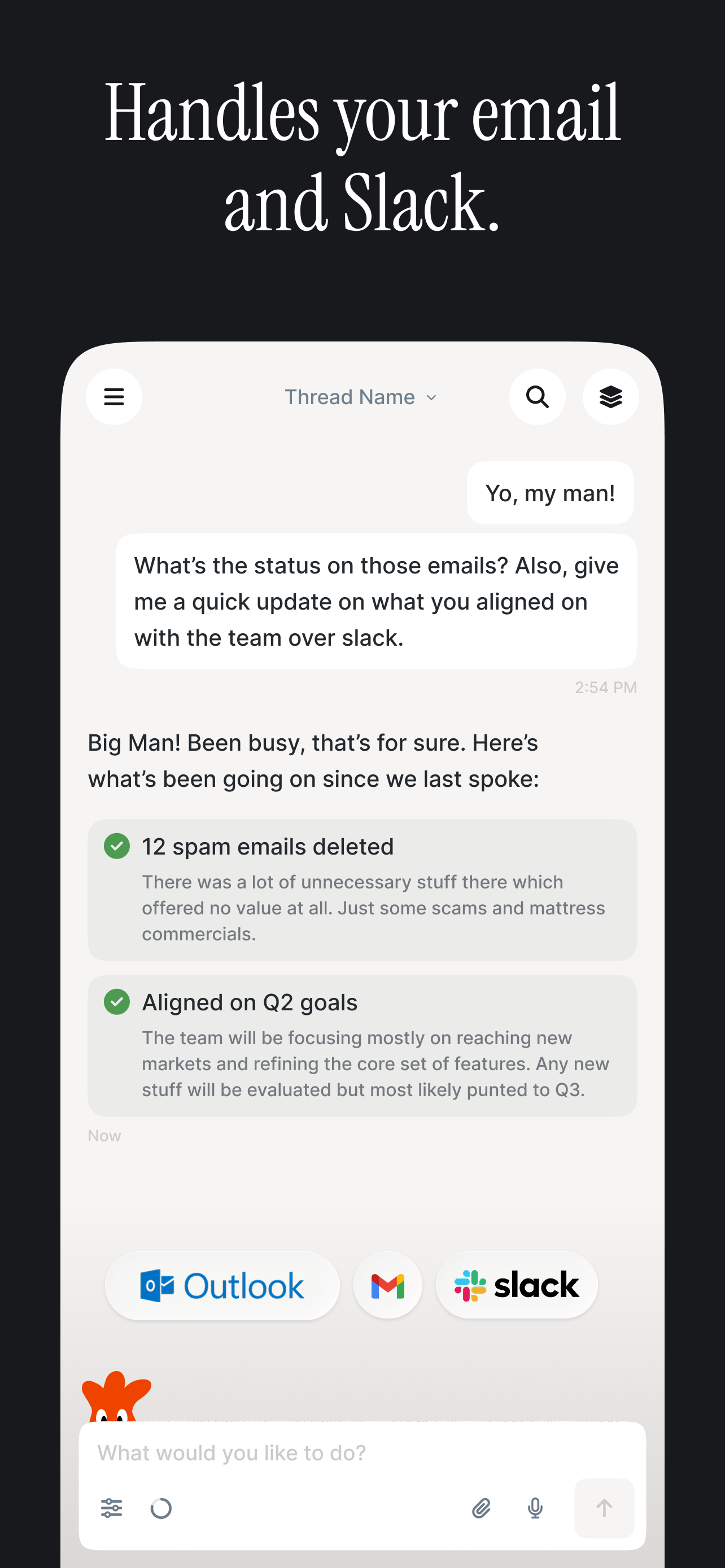
Vellum is a personal AI assistant built around persistent memory and real-world action: it learns your preferences over time, connects to your tools, and runs on its own computer across web, mobile, desktop, and messaging apps. The pitch is an assistant that compounds, getting more useful the longer you work with it, with an ownership and privacy stance aimed at people wary of renting their context to a lab.
It is early compared to the foundational agents above, and its ceiling is the same: one person's assistant, not an organization's process layer.
Best for: individuals who want a persistent, personal assistant that learns them over time.
Pricing: free tier; plans from $30/month with monthly credits. As of August 2026.
Best developer frameworks for building agents
For engineering teams building agent systems from scratch. Everything here trades product convenience for control: you own the architecture, and you also own evaluation, guardrails, interfaces, and audit.
16. LangGraph
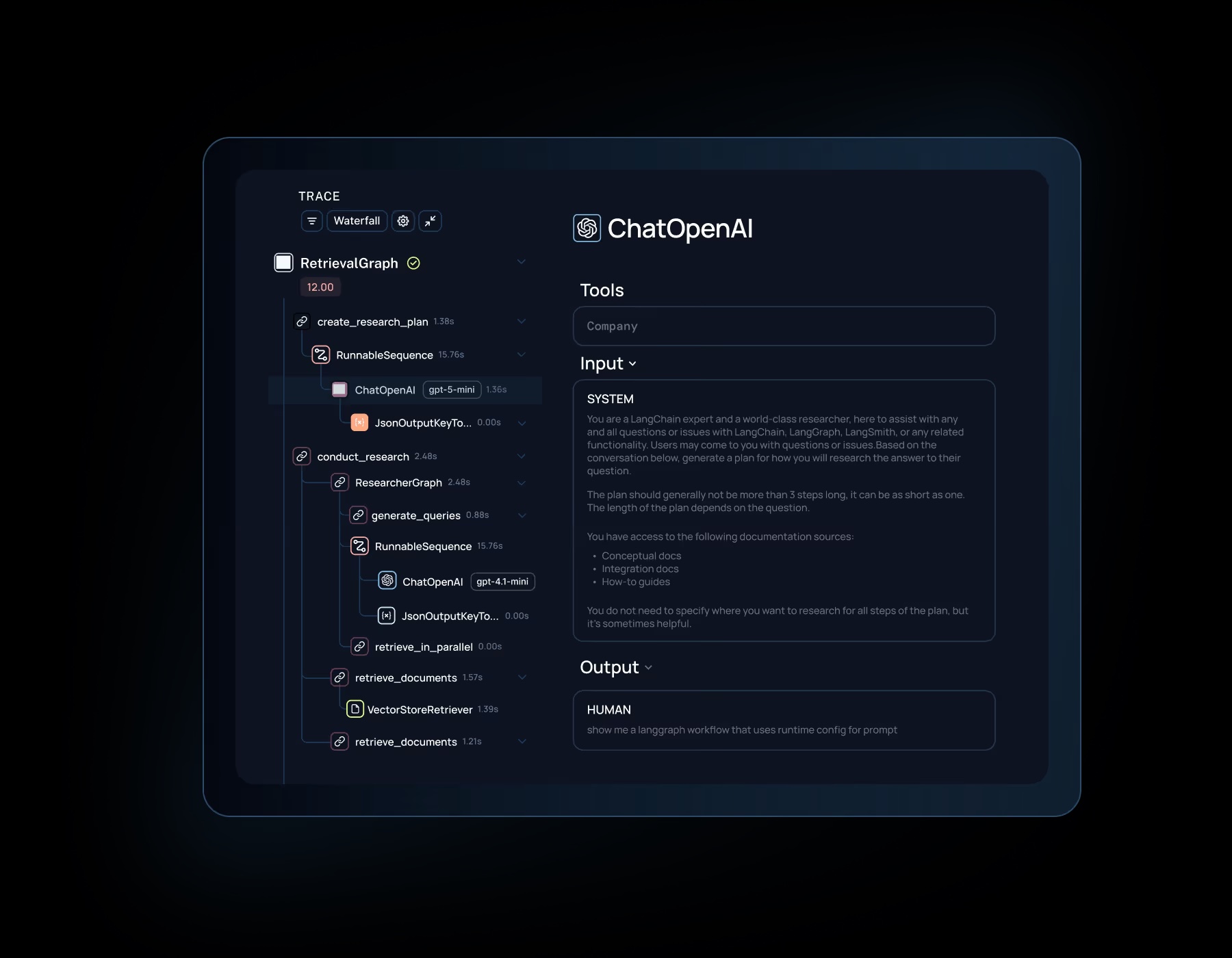
LangGraph, from the LangChain team, is the most widely deployed framework for production agent systems: explicit graphs of state, steps, and decisions, which is what you want when an agent has to be debuggable and predictable rather than merely impressive. Paired with LangSmith for observability, it is the closest thing the ecosystem has to a standard for serious agent engineering.
Best for: engineering teams building production-grade, stateful agent systems.
Pricing: open source; LangSmith observability priced per seat. As of August 2026.
17. CrewAI
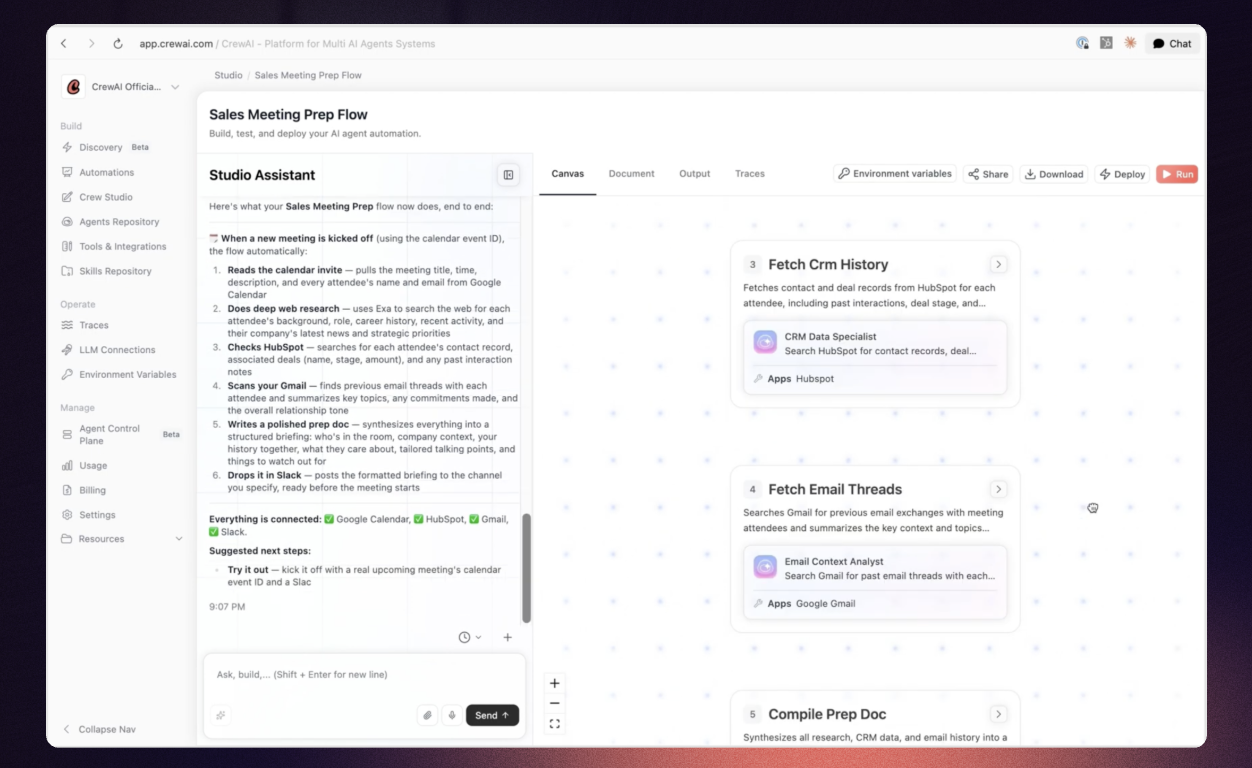
CrewAI is the leading open-source framework for multi-agent systems in Python: you define agents with roles, give them tools, and orchestrate them as crews. It is the fastest on-ramp to the multi-agent pattern, with a commercial platform when you outgrow self-hosting.
Best for: developer teams prototyping and shipping role-based agent crews.
Pricing: open source; commercial platform priced separately.
Best specialist AI agents
Specialists win by going deep on one job. None of these run your operation, and none of them try to. The vertical field is wide (legal, CX, GTM, and more, see “Also worth knowing” below), and these two are the reference points.
18. Devin
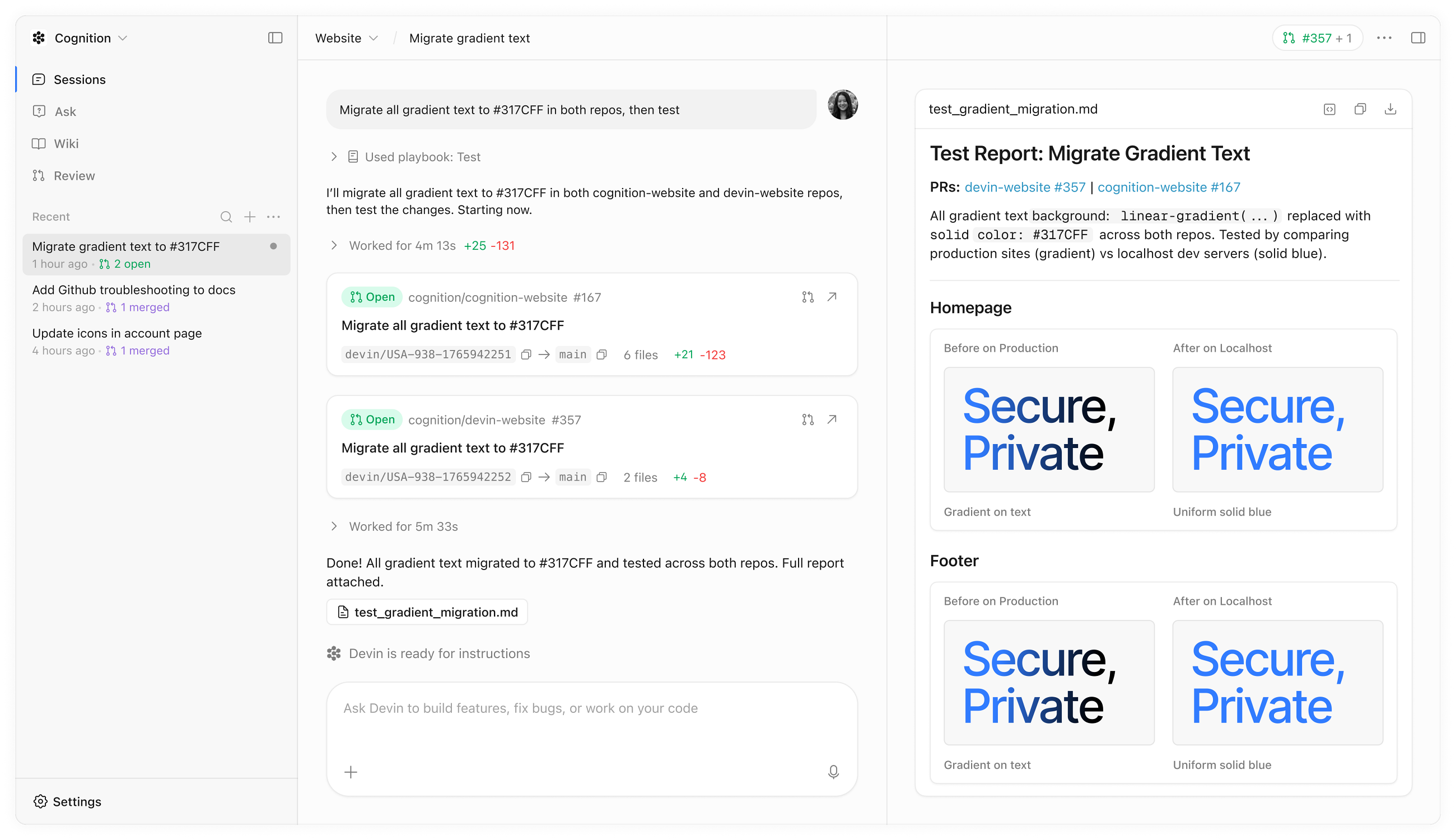
Devin is the autonomous software engineer: assign it a ticket and it plans, writes, tests, and opens a pull request on its own. Engineering teams use it as extra capacity for well-scoped work (migrations, test coverage, bug backlogs) where its usage-based pricing maps cleanly to work delivered.
Best for: engineering teams delegating well-scoped tickets to an autonomous engineer.
Pricing: usage-based; entry from $20, team plans at devin.ai. Spot-check before publish.
19. Intercom Fin
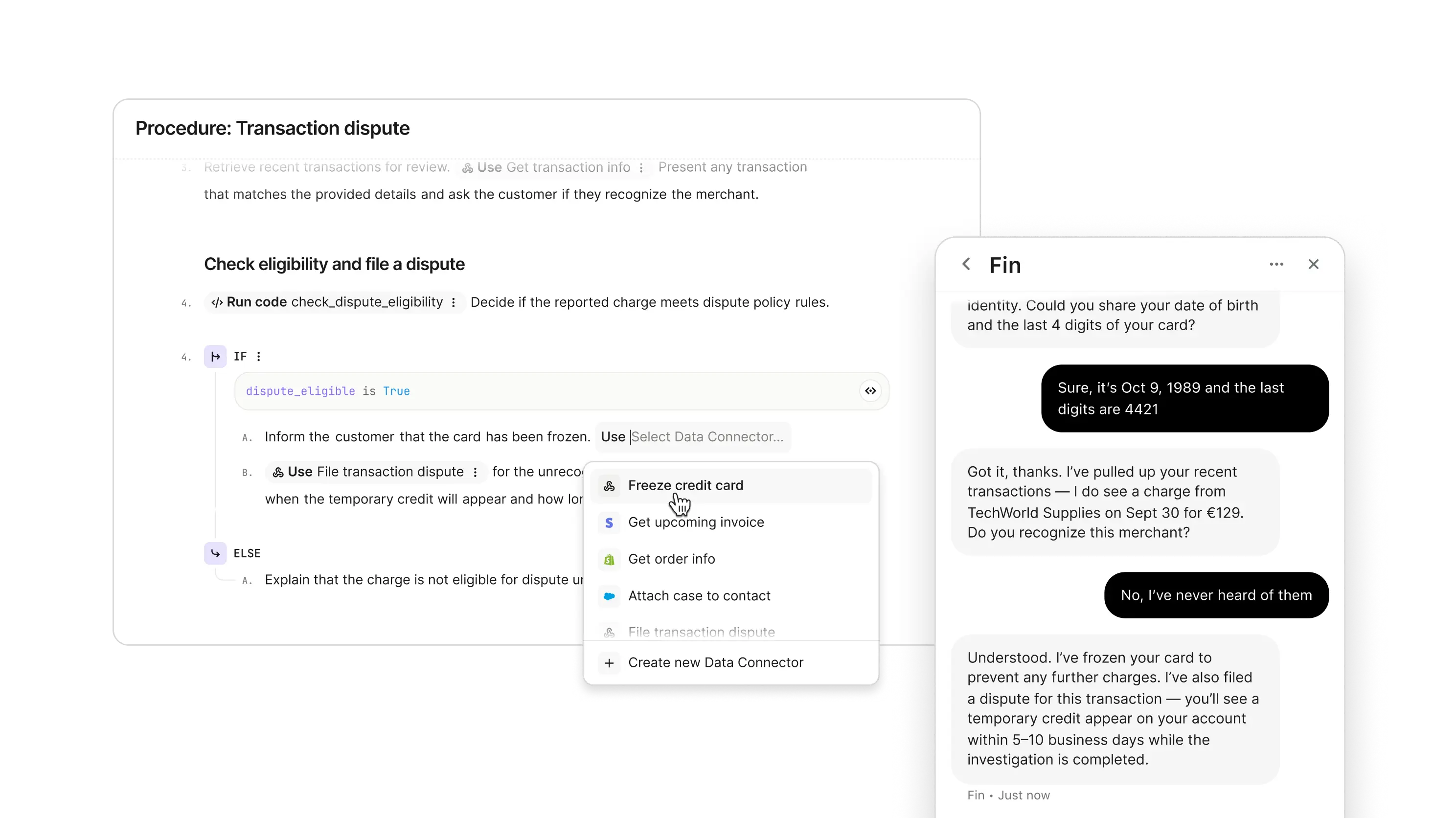
Fin resolves customer support conversations on its own, grounded in your help content and past tickets, and Intercom charges only when it actually resolves one: $0.99 per resolution. That pricing model made outcome-based agent pricing mainstream, and Fin's resolution rates on known-answer tickets are the reference point the support category measures against.
It is a support-inbox specialist. When a conversation exceeds it, the handoff goes to a support agent's queue, not into a broader process.
Best for: support teams deflecting high volumes of known-answer tickets.
Pricing: $0.99 per resolution. As of August 2026.
Also worth knowing
The list above is not the whole market. Google's Gemini threads agent capabilities through Search, Workspace, and Android, with Vertex AI Agent Builder and ADK for developers building on Google Cloud. Salesforce's Agentforce puts agents inside the Salesforce estate for enterprises standardized on its CRM. Microsoft's Copilot and Copilot Studio serve companies standardized on Microsoft 365, and Glean builds agents grounded in its enterprise search. OpenAI's AgentKit serves developers on the OpenAI platform. Genspark's super agent turns a single prompt into decks, reports, and research. Dust builds internal company agents grounded in team knowledge, and Beam AI targets agentic process automation for operations teams. In customer-facing and employee service, Sierra and Decagon build agents for consumer brands while Kore.ai and Moveworks serve the enterprise. Harvey is the reference specialist in legal, and Clay leads GTM data research with its Claygent agent. Langflow and Flowise are open-source visual builders in the LangChain orbit, and 11x and Artisan sell packaged AI SDRs. If a category matters to you and a name here fits it better, it belongs on your shortlist.
How to choose
Match the agent to the work. If the work is yours alone, start with a foundational model agent: ChatGPT or Claude as the all-rounders, Grok for real-time information. Reach for the products built on them when their angle fits: Perplexity for research with sources, Manus for hands-off deliverables, Vellum if you want an assistant that compounds. If you are building agents, choose by who is building and what the agents will run inside: Moxo when agents work inside multi-party business processes with named humans accountable, MindStudio or Make for individual operators, n8n for technical teams, StackAI for regulated enterprises, LangGraph or CrewAI for engineers. If the work is a known single job, pick the specialist: Devin for engineering tickets, Fin for support, and the vertical players above for legal, CX, and GTM. And if the work is a process that runs across people, departments, and outside parties, where someone has to stand behind the outcome, that is business process territory: Moxo.
And remember the layers stack. The real endgame is not choosing between a foundational model agent and a process platform. It is foundational model agents doing the work inside a process that gives them permissions, supervision, and a named human at the steps that matter.
Frequently asked questions
Which is the best AI agent?
There is no single best AI agent, only a best agent for the job. For business processes that span teams and outside parties, Moxo. For a personal all-round assistant, ChatGPT or Claude. For building your own, n8n or MindStudio depending on your technical depth. For coding, Devin or Claude Code. For support, Intercom Fin. Rankings that name one winner for everything are compressing very different tools into one list.
Which AI agents are the most useful?
The most useful agents are the ones that finish work you were already doing manually. In practice that means process agents that prepare, chase, and route work in operations teams, coding agents in engineering, resolution agents in support, and research agents in GTM. Novelty demos age fast; agents attached to recurring work compound.
What are the best AI agent platforms?
Platforms are the layer for building and running agents rather than using a single packaged one. Moxo is the platform choice when processes involve people and accountability. n8n, Make, and Gumloop lead for workflow building, StackAI for enterprise deployment, and LangGraph and CrewAI for engineers.
Is ChatGPT an AI agent?
In agent mode, yes. ChatGPT can browse, run code, use files, and complete multi-step tasks autonomously, which meets any reasonable definition of an agent. The distinction that matters is between a personal agent, which works for one user in a chat, and a process agent, which works inside a structured flow with roles, permissions, and an audit record.
Can I run AI agents for free?
You can start free in several places: Zapier Agents includes 400 activities a month, Make includes agents on its free tier, MindStudio and StackAI have free tiers, ChatGPT, Claude, Grok, and Perplexity have free tiers with limited agent capability, and n8n, LangGraph, and CrewAI are free to self-host. Business process platforms are generally trial-based rather than free, because they connect to real systems and real client data.
Do AI agents replace people?
They replace the coordination work around decisions, not the decisions. In well-run deployments, agents handle preparation, validation, routing, and follow-up, while approvals, exceptions, and client commitments stay with named humans. The organizations getting real results are the ones redesigning processes around that split, not the ones swapping headcount for chatbots.
Moxo runs business processes with humans, AI agents, and systems in one flow. See it on your own process: book a demo.