Approval workflow

An approval workflow is a structured sequence that routes requests through designated reviewers who must authorize, reject, or request changes before work can proceed. It defines who needs to approve what, in what order, under what conditions, and what happens when approvals are granted or denied — creating accountability and governance around decisions that require authorization.

Why it matters in operations

Approvals exist because some decisions shouldn't be made unilaterally. Spending beyond a threshold needs management sign-off. Contract terms need legal review. Policy exceptions need senior authorization. These checkpoints protect organizations from unauthorized commitments, compliance violations, and poorly considered decisions.

For operations leaders, approval workflows are a constant presence. Virtually every process that involves commitment — financial, contractual, policy-related — has approval steps. The efficiency of these workflows directly affects cycle time. Slow approvals become bottlenecks that frustrate employees, delay customers, and extend processes unnecessarily.

The challenge is balancing control with speed. Too few approvals, and decisions get made that shouldn't be made without oversight. Too many approvals, and work crawls through unnecessary checkpoints. Too complex approval chains, and people can't figure out how to get things approved. The right approval workflow provides appropriate governance without creating gridlock.

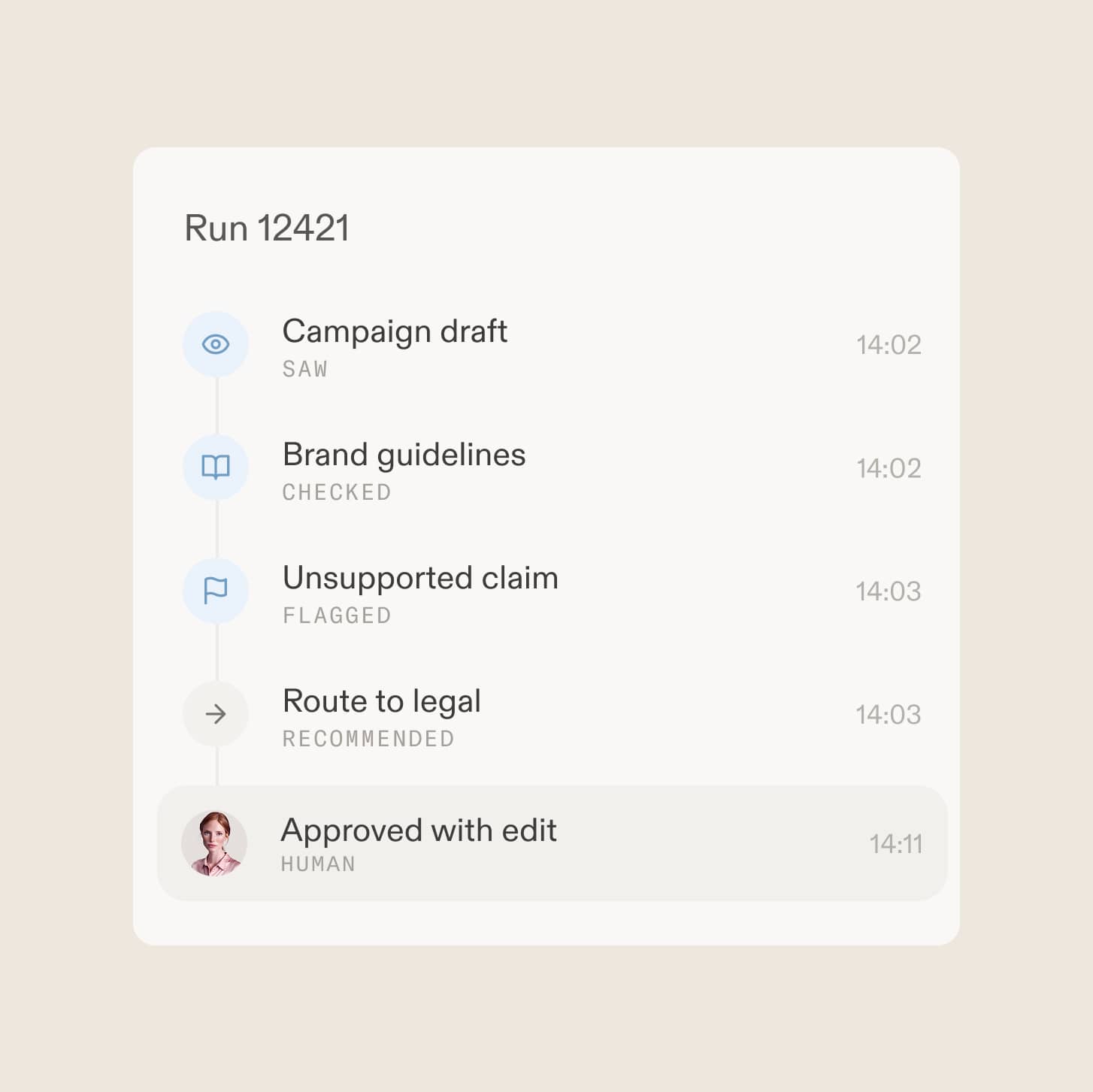
Approval workflows also create accountability trails. When something is approved, there's a record of who authorized it. This auditability matters for compliance, for dispute resolution, and for understanding how decisions were made. The approval isn't just a gate — it's documentation.

Where it breaks down

Approval workflows fail when they're poorly designed, poorly implemented, or poorly maintained.

The first breakdown is unnecessary approvals. Steps exist for historical reasons but no longer add value. Everyone approves everything, regardless of risk. The approval workflow becomes ceremony rather than governance. People wait for approvals that don't actually constitute meaningful review.

The second issue is routing problems. Requests go to the wrong approvers, or approvers aren't available. Work sits waiting for someone who's on vacation, in a different role, or unaware they're supposed to act. Routing logic that made sense when designed no longer matches current organization.

Third, approvers lack context. They receive requests without the information needed to make good decisions. They either approve without really reviewing (defeating the purpose) or delay while they research (extending cycle time). The approval workflow sends work but not the intelligence needed to act on it.

Finally, approval workflows can become stale. Business changes, but workflows don't update. Thresholds that once made sense no longer do. Approval chains that reflected organizational structure don't match current reality. The workflow continues operating, but it's not serving current needs.

How to address it

Effective approval workflows require thoughtful design and ongoing maintenance.

Start by identifying what actually needs approval and why. Not every decision requires authorization. Define criteria based on risk, value, compliance requirements, or policy. Remove approval steps that don't serve a clear purpose. Every approval should have a reason.

Design routing to reflect current reality. Map approvals to actual decision authority, not historical organization charts. Build in backup paths for when primary approvers are unavailable. Enable delegation that doesn't create bottlenecks. The workflow should find an appropriate approver quickly.

Provide approvers with the context they need. When an approval request arrives, the approver should see what they're being asked to authorize, why it matters, relevant supporting information, and any flags or concerns. Context enables quick, quality decisions.

Build appropriate escalation. When approvals stall, what happens? Automatic reminders, escalation to backup approvers, visibility to requesters — the workflow should keep moving even when individual approvers are slow.

Finally, review and refine regularly. Approval workflows should be audited periodically: Are all steps still necessary? Is routing still appropriate? Are cycle times reasonable? What do patterns in approvals suggest about thresholds or criteria? Maintenance prevents workflow drift.

The role of process orchestration

Process orchestration makes approval workflows reliable and efficient by automating the coordination that manual approaches struggle with.

When approvals run through an orchestration platform, routing happens automatically based on defined rules. The right approver receives the request based on current logic, with backup paths if they're unavailable. No manual determination of who should approve. No requests lost in transit.

Orchestration ensures approvers get context. The request arrives with relevant information from earlier in the process: who requested it, why, supporting documentation, relevant history. Approvers can act without research.

For multi-level or conditional approvals, orchestration manages the sequence. If amount exceeds threshold, add this approver. If type is certain category, route here. If initial approver rejects, route there. The logic can be complex while the execution remains automated.

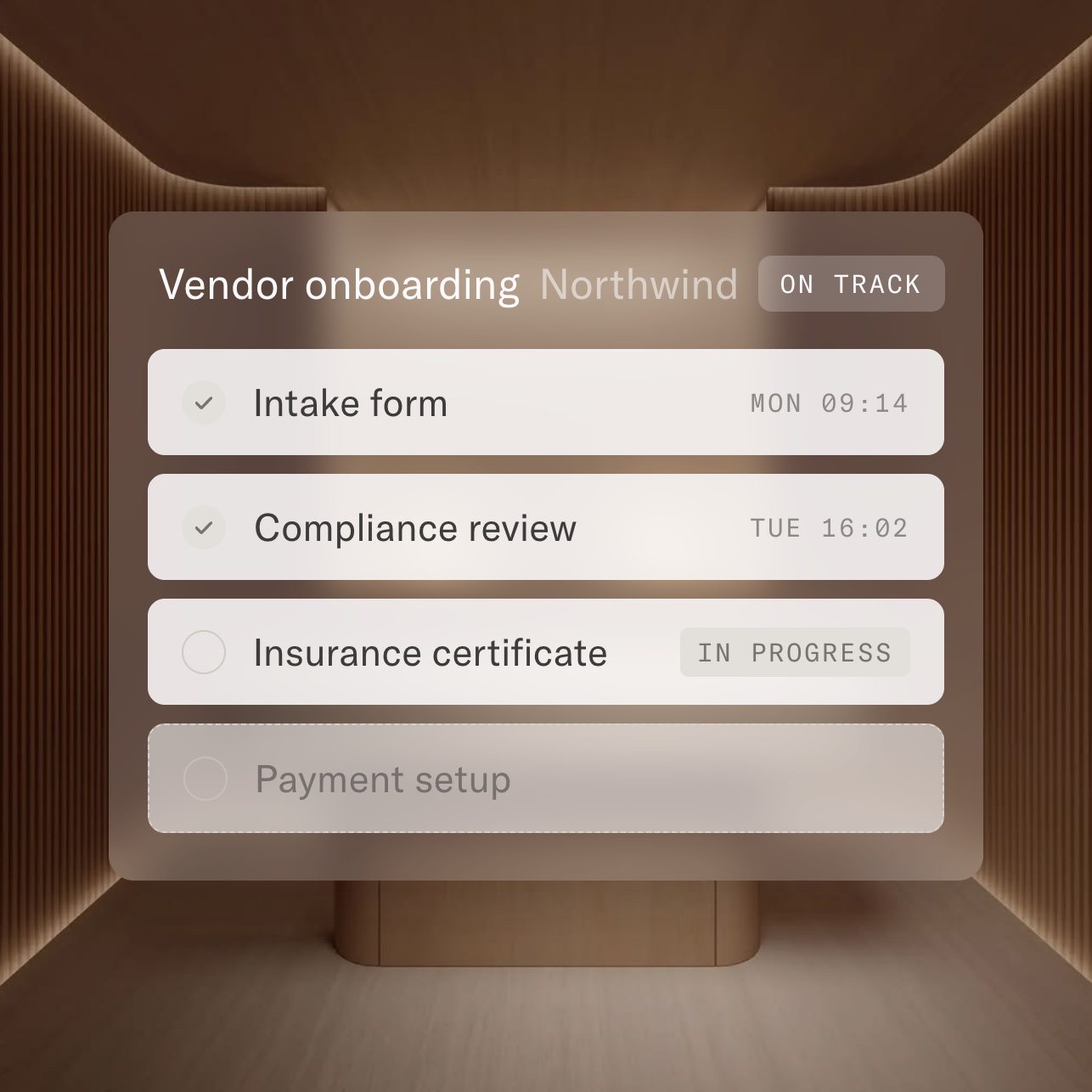
Orchestration also provides the tracking that approvals require. Who approved what, when, with what comments — all recorded automatically. This audit trail exists as a byproduct of orchestrated flow, not as a separate documentation effort.

Moxo handles approval workflows as part of broader process orchestration — routing to appropriate approvers with context, managing sequences and conditions, providing backup paths, and creating the audit trails that governance requires.

Key takeaways

Approval workflows route requests through designated reviewers for authorization before work can proceed. They matter because they provide governance and accountability for decisions requiring oversight. The key to effectiveness is including only necessary approvals, routing to current decision authority, providing approvers with context, building in escalation, and maintaining workflows as business changes.